Cold Chain Logistics for Healthcare: A Malaysian Case Study
Introduction: Why Cold Chain Logistics Matter in Healthcare
In Malaysia’s rapidly growing healthcare sector, cold chain logistics forms the invisible backbone that keeps life-saving medicines, vaccines, biologics, and sensitive diagnostics viable from production to administration. With rising healthcare standards, novel therapies, and the country’s role as a pharmaceutical export hub, the integrity of these temperature-sensitive products can no longer be left to chance. The need for robust cold chain logistics in Malaysia has never been greater.
Failures in this area carry not only financial repercussions but—far more critically—can compromise patient safety, national immunization programs, and the reputation of companies involved. The global surge in demand for complex biologics, blood products, insulin, and diverse vaccines has cast an even brighter spotlight on the systems, partnerships, and innovations sustaining Malaysia’s healthcare cold chain.
This in-depth exploration combines industry insights, real-world case studies, and actionable strategies to help corporate professionals understand and excel in Malaysia’s cold chain logistics landscape.
The Malaysian Cold Chain Landscape: Key Drivers
Positioning and Growth Factors
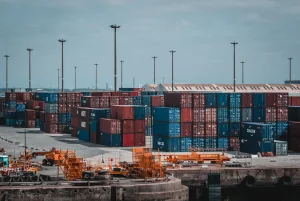
Malaysia’s reputation as a logistical nexus stems from its world-renowned seaports, international airports, and burgeoning healthcare industry. A rising middle class, increasing public health awareness, and active pharmaceutical exports have all contributed to demand for reliable cold chain logistics.
Key drivers include:
- Rising Healthcare Needs: Malaysia’s healthcare expenditure rose to MYR 72.6 billion in 2022 (MOH stats), as chronic disease care, elective procedures, and vaccine-dependent public health interventions increased.
- Pharmaceutical Industry Growth: With the pharmaceutical market growing over 9% in 2023, the necessity for dependable cold chain operations—capable of handling everything from insulin pens to investigational biologics—has never been clearer.
- Regulatory Emphasis on Safety: The Ministry of Health (MOH) and state authorities have enforced Good Distribution Practice (GDP) requirements, mandating that all pharmaceutical supply chain players adhere to internationally recognized cold chain standards.
Evolving Consumer Expectations
Corporate healthcare buyers and hospital groups in Malaysia now demand full supply-chain transparency and real-time product tracking, expecting traceability from manufacturer to bedside. This shift is especially pronounced in contract manufacturing, hospital pharmacy procurement, and specialty logistics procurement.
Temperature-Controlled Shipping: Keeping Healthcare Safe
What Is Temperature-Controlled Shipping?
Temperature-controlled shipping involves the transportation of sensitive healthcare commodities in a manner that maintains precise environmental parameters—usually between 2°C and 8°C, or for ultra-cold requirements, as low as -70°C. During transit, even minor temperature excursions can cause irreversible loss of product efficacy or render goods unfit for use.
Key Technologies Facilitating Shipping Integrity
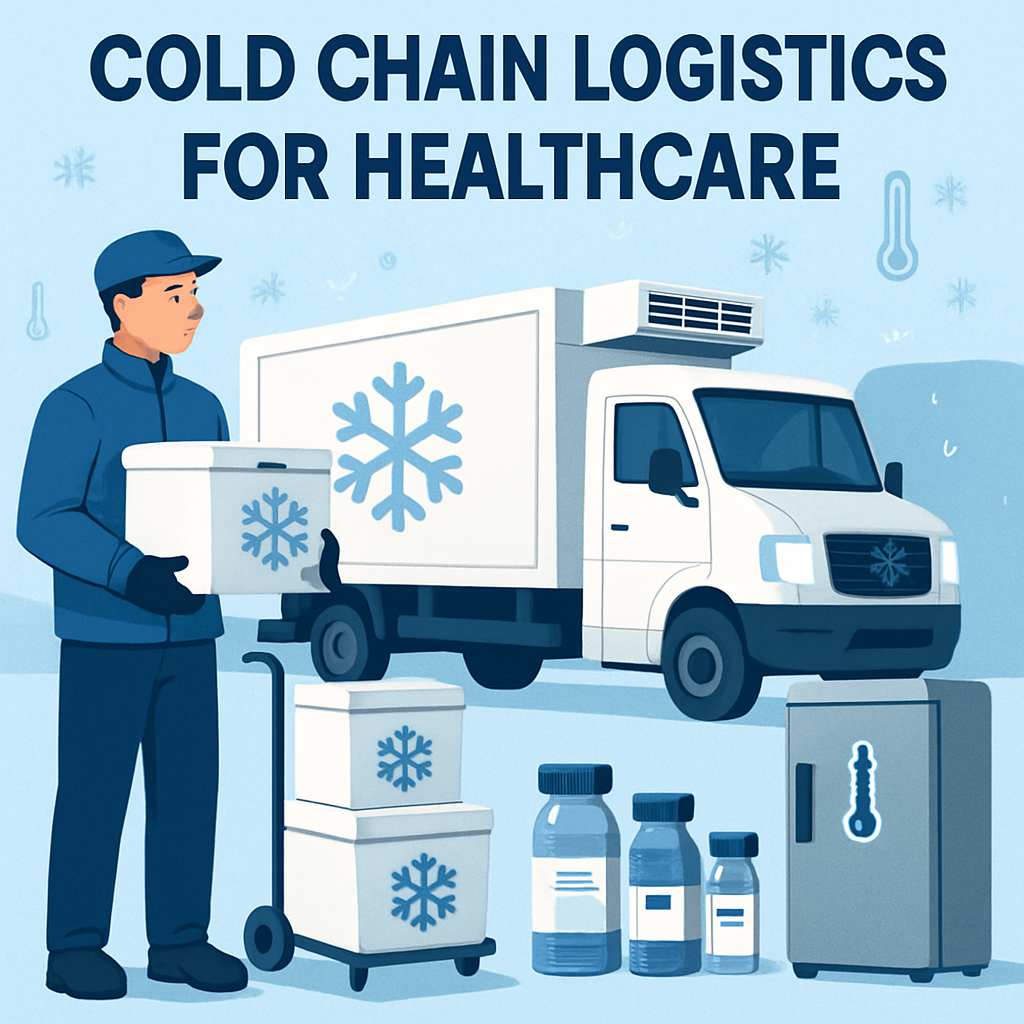
- Refrigerated Trucks and Trailers: Fleet units with active refrigeration systems and backup power sources.
- Thermal Shipping Containers: Vacuum insulation panels, phase-change materials, and smart packaging solutions.
- Data Loggers and IoT Sensors: Devices for real-time temperature logging, monitored remotely and with automated alerting protocols if excursions occur.
- Route Optimization Software: Technology to minimize transit times, avoid traffic congestion, and ensure smooth final-mile handover.
Case Study: Insulin Distribution in Malaysia
Insulin, vital for diabetic care, must be continuously maintained between 2°C and 8°C. In 2021, a major Malaysian distributor used insulated shipper boxes and GPS-logged vehicles to supply clinics in East Malaysia. The system flagged high temperatures as a delivery vehicle paused at a congested ferry crossing. Within minutes, a backup vehicle was dispatched, minimizing loss and ensuring delivery. Product wastage rates dropped 25% compared to legacy processes.
Industry Impact and Scale
- WHO estimates: Globally, up to 50% of vaccines are wasted yearly due to temperature excursions—emphasizing the risks at stake.
- Malaysian MOH: Cold chain lapses in vaccine distribution dropped by 30% after mandatory adoption of real-time sensor tracking in government supply contracts in 2023.
Vaccine Distribution: A COVID-19 Case Study
Pandemic-Driven Urgency
The COVID-19 pandemic stress-tested every aspect of healthcare logistics. Distributing vaccines across Malaysia, with its rugged terrain and resource disparities, presented an unprecedented challenge—especially for mRNA vaccines demanding storage at -70°C.
Coordination and Implementation
- Joint command centers: Where military logistics experts and private cold chain specialists coordinated daily vaccine movements.
- Specialized ultra-low temperature (ULT) freezers: Deployed at regional storage points, including those previously serving only major cities.
- Thermal shipping units: Preconditioned shippers with dry ice and continuous temperature logging, customized for helicopter and ground transport.
- Mobile rapid response teams: Dispatched in response to vaccine spoilage alerts or sudden temperature excursions.
In-Depth Example: Remote Community Outreach in Sarawak
In June 2021, a mobile medical team in Sarawak needed to deliver COVID-19 vaccines to Long Seridan, a town reachable only by river and air. To maintain the cold chain, thermal-shipped vials were packed in validated shippers with temperature monitors, and the delivery was tracked via satellite. High humidity and equipment jostling risked cold chain breaches, but quick-response teams on standby, plus redundant packaging layers, ensured all doses arrived potent.
Result: Malaysia surpassed an 83% national vaccine coverage, with only minor spoilage incidences, validating the robust, multi-layered approach.
Other Vaccination Campaigns: The HPV Rollout
The national HPV vaccination program for adolescent girls also illustrated cold chain logistics success. In partnership with a major domestic courier, the vaccines were delivered to over 2,000 schools—including those in remote Kelantan and Perlis—using periodic dry ice recharging, data loggers, and local language crisis instructions for delivery drivers.
Pharmaceutical Storage: Beyond Cold Rooms
The Cold Storage Ecosystem
Pharmaceutical storage in healthcare cold chains is a holistic, integrative system rather than isolated cold rooms. Key features of modern pharmaceutical storage solutions include:
- Multi-Zone Cold Rooms: With zones for 2–8°C, -20°C, and even -80°C storage as required by various products.
- Refrigerated Vehicles with Integrated Monitoring: Vehicles with separate chambers, allowing multi-temperature deliveries in a single trip.
- Warehouse Management Systems (WMS): Cloud-enabled platforms that track inventory, temperature data points, and expiry dates—all integrated into a single dashboard.
- Redundant Power and Cooling: Facilities equipped with auto-start backup generators and dual cooling compressors.
- Access Controls and Alarms: Restricted entry for authorized staff and automated alarms for any environmental deviations.
Expanded Example: Contract Manufacturing and Storage
A multinational contract manufacturer in Johor maintains a hybrid cold storage network for both local hospital and export markets. Their system connects real-time inventory levels, product locations, and temperature trends from <5°C controlled rooms to their international shipping zones. When a coolant system failure was detected at 3 AM, an automated remote alarm brought both the plant engineer and a third-party service company onsite before any product damage occurred.
Added Value: Data-Driven Management
Modern pharmaceutical storage uses:
- Predictive Analytics: Libraries of temperature trend patterns to flag likely equipment failures ahead of time.
- GMP and GDP Documentation: All temperature records, excursion logs, and corrective action reports are instantly accessible for audits or regulatory review.
Impact Statistic: Frost & Sullivan estimates that digital monitoring can reduce cold chain pharmaceutical losses by up to 28%, with added benefits of streamlined compliance and supply chain cost control.
Challenges Unique to Malaysia
While Malaysian cold chain infrastructure has progressed, country-specific challenges still threaten seamless pharmaceutical delivery. Understanding these unique pain points is crucial for corporate buyers and logistics managers.
1. Extreme Tropical Climate
Malaysia’s heat and humidity, with ambient temperatures frequently exceeding 30°C, present significant risks of external heat ingress—a challenge compounded during long-haul transport or last-mile delivery in non-urban environments.
2. Last-Mile Delivery Complexities
Getting medicines from urban distribution centers to rural clinics and islands exposes supply chains to potholes, ferry delays, floods, and unpredictable power outages. Remote areas in Sabah and Sarawak often present logistical hurdles unseen in Peninsular Malaysia.
3. Infrastructure Disparities
Key urban centers in Selangor, Penang, and Johor boast advanced, validated cold rooms and Information Technology (IT)-integrated freight depots. Yet in remote areas, old refrigerators or chest freezers—sometimes powered by diesel generators—remain in use, posing risk to product consistency.
4. Compliance and Training Issues
Maintaining GDP compliance demands constant staff training, detailed SOP adherence, and regular audits. Human error—such as failing to shut a freezer properly or recording false temperature readings—remains the single biggest challenge, especially where staff turnover is high.
5. Emergency Preparedness Gaps
Many storages and transport points still lack reliable backup power. In the event of a natural disaster, landslide, or unexpected equipment failure, contingencies are not always seamless, risking catastrophic loss.
Expanded Real-World Example: Flood Impact on Distribution
In December 2021, catastrophic flooding in Shah Alam and Klang shuttered cold storage facilities and stranded delivery trucks for up to 48 hours. Logistics companies with alternative cold chain hubs and emergency transport relays managed to transfer pharmaceutical stocks to unaffected areas, but several smaller clinics reported temperature excursions and resulting product wastage due to lack of preparation.
Success Stories & Customer Experiences
Biotech Innovators Sdn Bhd: From Loss to Resilience
Biotech Innovators, an SME supplying biotech reagents, experienced a major spoilage event after a Kuala Lumpur blackout. Switching to a local logistics company with 24/7 remote monitoring, generator-backed cold rooms, and a rapid incident response team, they halved their annual cold chain losses in under a year.
Hospital-Driven Innovation: University Hospital of Penang
Faced with stricter MOH audits in 2022, the hospital established a Quality Task Force to benchmark cold chain processes:
- They re-routed deliveries to avoid unreliable rural ferries.
- Implemented daily temperature logging by both automated sensors and staff.
- Provided refresher GDP training for pharmacy and logistics staff.
Within six months, the hospital passed compliance audits with zero major findings, and reported higher product integrity scores.
Government Partnership Success: The Polio Vaccine Rollout
When Malaysia faced a polio outbreak in 2019, the Ministry of Health partnered with a leading local courier and community health volunteers. Vaccine vials, which required strict cold storage, were tracked via GPS-tagged containers and stored short-term in community centers’ portable cold boxes. Despite impassable roads, timely vaccine delivery to rural Sabah was maintained.
Additional Example: Private-Public Partnership During Dengue Outbreaks
During dengue seasons, where platelets and biologicals are in high demand, Kuala Lumpur’s Hospital Ampang collaborated with blood banks and logistics firms for express, actively cooled platelet shipments. The emergency project led to a 40% reduction in platelet wastage during the outbreak period.
Practical Tips: How to Optimize Cold Chain Logistics in Malaysia
For corporate professionals tasked with optimizing their organization’s cold chain, implementing best practices is the surest path to compliance and operational resilience.
Step 1: Map Your Complete Supply Chain
- Document every critical control point (CCP)—from API or finished product manufacturing, through both primary and secondary distribution centers, to health facility and patient delivery.
- Use supply chain mapping tools to visualize potential points of failure.
Step 2: Commit to Proactive Technology Investment
- Data Loggers and Sensors: Equip all vehicles and facilities with validated sensors linked to cloud-based dashboards.
- Temperature-Controlled Packaging: Invest in advanced products with phase-change material for longer duration and redundancy.
- Real-Time Alerts: Set up SMS or app-based notifications for any temperature incursions, ensuring instant corrective action.
Step 3: Standardize and Regularly Audit Procedures
- Review and update GDP policies at least every six months.
- Schedule recurrent staff training (quarterly) and drill for emergency scenarios.
- Institute robust SOP documentation for all stakeholders, including drivers and third-party partners.
Step 4: Analyze Data and Adapt Processes
- Use analytics to study route performance, near-miss events, excursion trends, and root causes.
- Adjust delivery routes, shift patterns, or cold chain vendors as needed to address repeated failure points.
Step 5: Build Collaborative and Transparent Partnerships
- Partner with logistics providers experienced in Malaysian regulatory environments and supply chain realities.
- Set joint performance KPIs, and share dashboards for real-time transparency.
Step 6: Prepare for Unexpected Events
- Establish emergency power supplies and offsite backup storage points.
- Stock emergency kits with portable coolers, ice packs, and transport-ready temperature loggers.
- Test contingency plans annually with simulated disaster scenarios.
Specialist Recommendations:
- Always use packaging and shippers that have been validated under actual Malaysian temperature profiles—not just generic overseas certifications.
- Where possible, leverage hub-and-spoke distribution (regional cold stores feeding local clinics) to reduce exposure time.
- Review shipping manifests frequently; optimize batch sizes to match real demand and reduce wastage.
Quick-Reference Tips
- Insist on real-time, not just passive, temperature monitoring.
- Encourage regular third-party audits to verify system integrity.
- Foster a culture of “see something, say something,” empowering staff to flag concerns at any stage.
Future Trends and Innovations
Green Cold Chain Initiatives
- Solar-Powered Cold Rooms: Emerging especially in rural setups, with battery backups for cloudy periods.
- Eco-Friendly Refrigerants: Adoption of low-global-warming-potential (GWP) coolants.
Enhanced Traceability with Blockchain
The drive for transparency and anti-counterfeiting is pushing Malaysia’s logistics sector toward blockchain-based cold chain ledgers, enabling real-time, tamper-resistant audit trails for every shipment and handover.
Predictive Analytics and Machine Learning
AI models are increasingly deployed to:
- Predict transport or storage equipment failures before they occur.
- Dynamically adjust delivery schedules for weather, traffic, or infrastructure disruptions.
Cold Chain as a Service (CCaaS)
International providers now offer Malaysian hospitals and pharma companies fully managed solutions—refrigerated fleet, warehousing, monitoring, and even trained staff—often on subscription-based models.
Expert Perspective:
By 2027, Frost & Sullivan predicts over 90% of pharmaceutical cold chain shipments in Malaysia will rely on IoT-driven monitoring and automated, analytics-based quality controls.
Expanding Immunization and Biologics Rollout
With increased focus on gene therapies, cell therapies, and specialized biologics, requirements for ultra-low and tightly controlled environments will escalate. Leading logistics players are already building and deploying ULT (-80°C) storage and distribution solutions to anticipate market needs.
Conclusion
Cold chain logistics in Malaysia is no longer a niche concern but a cornerstone of the nation’s healthcare ecosystem. Managed well, it preserves product efficacy, ensures patient safety, and drives public health successes—from urban hospitals to the furthest rural villages. The nation’s COVID-19 vaccination triumph, pioneering use of real-time monitoring, and partnerships formed during disease outbreaks are testimony to how innovation, collaboration, and vigilance can transform cold chain logistics into a competitive advantage.
For corporate professionals, applying the best practices detailed here—from supply chain mapping and technology investment to compliance vigilance and proactive contingency planning—will position their organizations as trusted, resilient players in both local and global healthcare supply chains.
You Might Also Like