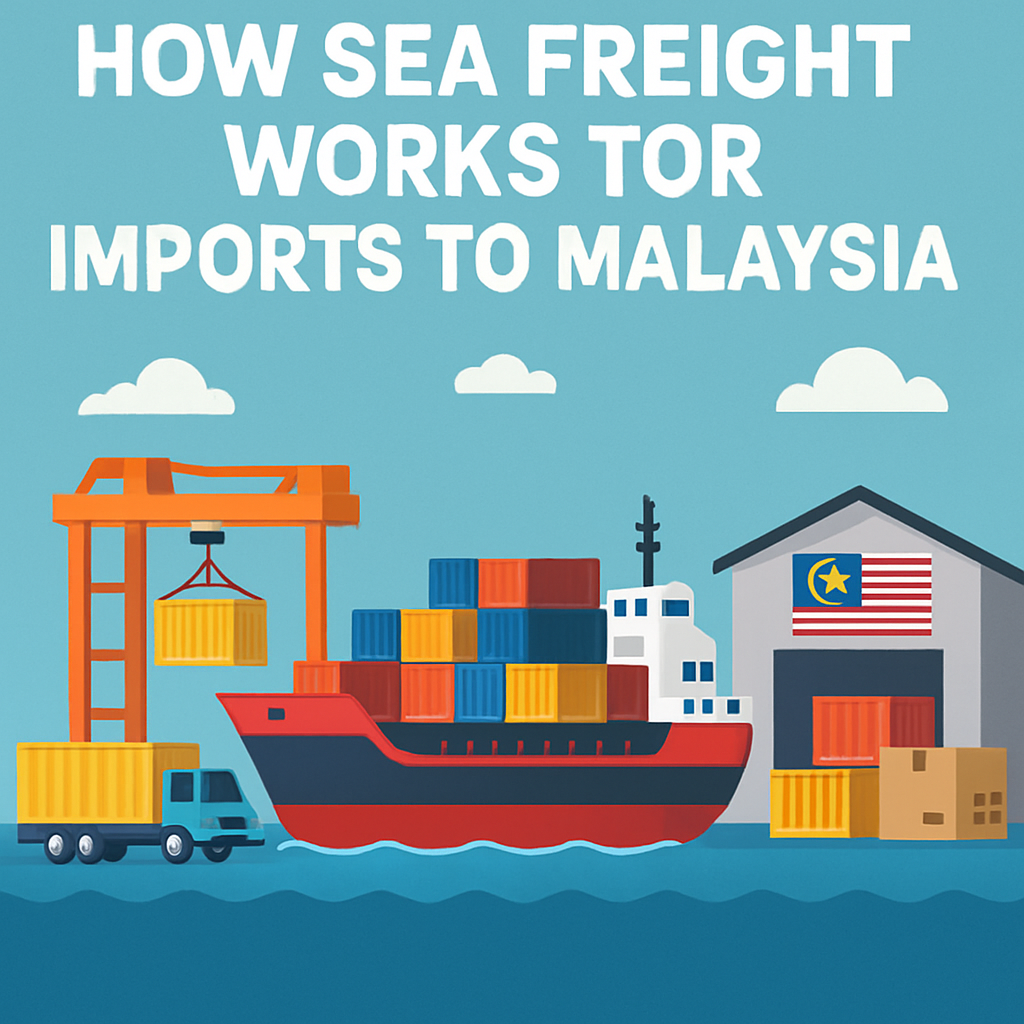
How Sea Freight Works for Imports to Malaysia: A Comprehensive Step-by-Step Guide for Small Business Owners
Sea freight is the backbone of international trade, especially for a rapidly developing country like Malaysia. With world-class ports such as Port Klang and Tanjung Pelepas facilitating millions of tonnes of cargo annually, import sea freight Malaysia offers small business owners countless opportunities for growth and market expansion. Yet, issues like navigating the intricate shipping process Malaysia, managing documentation, and ensuring smooth customs clearance Malaysia often pose daunting challenges for newcomers.
This ultimate how-to-guide is designed specifically for Malaysian small business owners. Packed with actionable steps, detailed explanations, and illuminating case studies, it will empower you to master every aspect of sea freight imports. Read on for an in-depth journey from booking container space to your goods arriving safely at your warehouse—ensuring you avoid costly mistakes and operate with full confidence.
Understanding Sea Freight for Malaysian Imports
Sea freight—or ocean freight—is the process of shipping goods via large container vessels across the globe’s oceans. High shipment volumes make this method the preferred choice for international trade, particularly between manufacturing powerhouses like China and emerging markets such as Malaysia.
Why Choose Sea Freight for Imports?
- Cost-Efficiency for Large Volumes: The bigger your shipment, the lower your cost per unit compared to air or land freight.
- Versatile Shipping Solutions: Options for Full Container Load (FCL), Less than Container Load (LCL), and various specialized containers make it ideal for products ranging from machinery to perishables.
- Global Reach: Sea freight connects Malaysia directly to over 200 countries, opening doors to a worldwide supplier network.
Example
Siti, the founder of a boutique furniture store in Penang, once relied on air freight for her European imports. As her volumes increased, she switched to importing by sea freight. This simple shift reduced her logistics costs by 45%, freeing up capital to invest in marketing and product development.
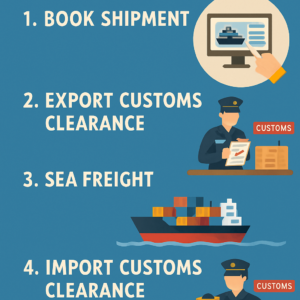
The Sea Freight Shipping Process in Malaysia: Step-by-Step
Breaking down the shipping process Malaysia reveals several key stages. Each step, when managed correctly, ensures your import journey is smooth, cost-effective, and predictable.
Step 1: Selecting the Right Shipping Partner
Freight Forwarders and NVOCCs
As a small business owner, it is typically most efficient to use a freight forwarder or Non-Vessel Operating Common Carrier (NVOCC). These logistics experts bridge the gap between you and global shipping lines, handling complex coordination tasks such as booking space, managing documentation, and overseeing customs processes.
Quick Tips for Choosing a Partner
- Compare multiple quotes and request detailed cost breakdowns.
- Review customer testimonials and check for local expertise in Malaysia.
- Ensure they have experience with your specific commodity or shipping lane.
Case Study
Lim, owner of a growing artisanal coffee roasting company in Johor, struggled with inconsistent coffee bean deliveries from Sumatra. After switching to a forwarder with local presence in Port Klang and deep experience handling agricultural goods, Lim’s shipments began arriving reliably and on time, even during monsoon disruptions.
Step 2: Preparing Your Goods and Documentation
Packing and Labeling
- Use sturdy, export-grade packing materials to withstand rough sea conditions.
- Ensure labels are waterproof and compliant with international shipping standards.
- Consider shrink-wrapping and palletization for added security and easier handling.
Key Documentation
Missing or incorrect documents are among the top causes of delays in customs clearance Malaysia. Standard required docs include:
- Bill of Lading: Serves as the shipment’s title, contract, and receipt.
- Commercial Invoice: Details product value, quantity, and description.
- Packing List: Specifies packaging format and contents.
- Import Permits/Licenses: Required for controlled or regulated goods (e.g., electronics, cosmetics, food items).
Example
A Shah Alam-based electronics retailer overlooked the need for an SIRIM certificate (Malaysian standard for regulated electronics). The shipment was held for several weeks, incurring heavy demurrage charges. After consulting with their forwarder and securing proper certification, subsequent imports arrived without hitch, demonstrating the importance of meticulous documentation.
Step 3: Choosing FCL vs LCL
Full Container Load (FCL) means you book an entire container exclusively for your cargo. Less than Container Load (LCL) is shared among several shippers.
- FCL advantages: Better cost-efficiency for cargo above 15 cubic meters, less risk of damage or contamination, direct transport routes.
- LCL is ideal for startups or small-scale importers with lesser volume, allowing cost-sharing but involving more handling, which can increase risk of delays or minor damages.
Example
A Malaysian toy wholesaler started by using LCL for quarterly shipments from Shenzhen. As business grew, they consolidated orders to fill a 20-foot FCL every two months. This not only reduced per-unit costs by 30% but also shortened the transit time, as full containers avoid transshipment delays.
Step 4: Booking and Stuffing Containers
Making a Booking
- Book space well in advance, especially before global peak periods (e.g., pre-Chinese New Year, Christmas).
- Confirm container specifications, route, and estimated arrival time.
Stuffing Procedures
- Door stuffing: Container is loaded at the supplier’s site, enhancing quality control.
- CFS stuffing: Goods are delivered to a Container Freight Station for group loading.
Example
Jayden, a Klang Valley-based apparel importer, switched to door stuffing to better oversee quality and prevent pilferage. This change reduced claims for rejected stock by over 50%—a significant edge in the competitive fashion sector.
Step 5: Overseas Transport and Arrival at Malaysian Ports
Sea transit times depend on point of origin:
- China–Malaysia: 7–12 days
- Europe–Malaysia: 20–30 days
- ASEAN neighbors: As little as 2–5 days
Upon arrival at major ports like Port Klang or Tanjung Pelepas, containers are offloaded and placed in port storage while awaiting customs clearance.
Case Study
Elena, who imports home automation devices, used to experience regular delivery uncertainties. By coordinating with a Kuala Lumpur-based 3PL provider, which kept her informed on vessel schedules and offered buffer storage at the port, she managed to meet customer delivery deadlines even during port congestion or rainy season delays.
Step 6: Customs Clearance Malaysia — What Importers Need to Know
At this stage, the Malaysian Royal Customs Department examines your cargo documentation, assesses duties, and either clears your goods or flags them for inspection.
What Is Involved in Customs Clearance in Malaysia?
- HS Code Matching: The Harmonized System (HS) code classifies products for tariffs/taxes. Getting this wrong can delay release.
- Duty and Tax Assessment: Malaysia levies Import Duty and Sales & Service Tax (SST), along with handling or excise charges for certain items.
- Port Charges: Agents handle costs for unloading, storage, and local delivery.
Example
Amir, a baby products importer, misclassified car seats under an incorrect HS code, leading to a red-lane customs inspection. By hiring a customs broker, he resolved the issue and received the correct code, reducing his anticipated three-week delay to just three working days.
Pro Tip: Partnering with a reputable customs broker streamlines the process, reduces errors, and offers real-time tracking and support should customs pull your shipment for inspection.
Step 7: Post-Clearance: Inland Transportation and Last-Mile Delivery
Once your goods are cleared, arrange immediate pick-up to avoid demurrage and detention charges. Options include:
- Trucking: Door-to-door delivery throughout Peninsular Malaysia.
- Rail/Barge: Cost-effective for bulk cargo and intra-Malaysia movement.
- Integrated Solutions: Some providers combine customs clearance and delivery, further speeding up turnaround.
Case Study
A Johor distributor of imported health supplements partnered with a logistics provider offering both customs clearance and last-mile delivery. This arrangement reduced overall lead time from 14 to 9 days—a 36% improvement that let the distributor win new retail accounts.
The Intricacies of Container Logistics
Common Container Types for Malaysia Imports
- 20-foot Standard Container: 33 cubic meters—suitable for heavy, compact products (e.g., auto parts, coffee beans).
- 40-foot Standard/High Cube: 67.5–76 cubic meters—for larger goods, textiles, or volume shipments.
- Reefer Containers: For perishable imports like fruits, seafood, or pharmaceuticals, maintaining constant cold temperatures.
Example
A Johor frozen seafood importer uses reefer containers equipped with real-time temperature alarms. By shifting to a line with rapid port turnaround and proven reefer expertise, spoilage rates dropped to nearly zero, ensuring high-quality product at retail shelves.
Peak Season Strategy and Space Security
Malaysia’s trade is most active ahead of:
- Chinese New Year (Jan–Feb)
- Ramadan/Eid
- Year-end festive period
Book containers 4–6 weeks ahead and consider multiple shipping lines or forwarders to hedge against roll-overs. Negotiate flexible delivery windows if your goods aren’t critically time-sensitive.
Managing Demurrage and Detention
- Demurrage: Port storage charge if cargo is not cleared within the free days (typically 3–7 days).
- Detention: Charge for not returning empty containers within the free period post pick-up.
Example
A Penang electronics importer forgot to pre-arrange local transport during a public holiday, causing two days’ delay in container return and accruing RM 600 in unexpected detention fees. After this, he revised procedures to always book transport before vessel arrival notification.
Understanding Customs Clearance in Malaysia: Documents, Duties, and Delays
Mandatory Import Documentation
- Bill of Lading
- Commercial Invoice
- Packing List
- Import Permits/Licenses (e.g., for health, cosmetics, electrical items)
- Certificate of Origin (for preferential tariff eligibility)
- Insurance Policy (highly recommended for loss cover)
- Supporting Certificates: MSDS for chemicals, Halal Certification for food, SIRIM approval for electronics/electrical.
Example
A food supplement importer failed to obtain a Health Ministry import permit. The entire consignment was held at Port Klang, accumulating storage charges. With improved permit application tracking and consultation with their broker, future entries met every legal requirement and cleared within a day.
Understanding Duties and Taxes
- Import Duty: Depends on HS code; some items are duty-free, others up to 30%.
- Sales and Service Tax (SST): 10% for most imports, calculated post-duty.
- Other Levies: Excise on alcohol, tobacco, and specific vehicles.
Calculation Walkthrough
- If CIF (Cost+Insurance+Freight) = USD 10,000
- Import Duty (5%) = USD 500
- SST (10%) on USD 10,500 = USD 1,050
- Total tax/duty: USD 1,550
Estimated Clearance Time
- Compliant Shipments: As little as 24 hours.
- Random/Red-Lane Inspection: Up to 3–7 business days.
Example
A lubricants importer regularly faced clearance delays until training staff to double-check all documentation for accuracy and completeness. This cut typical release times and eliminated most fines.
Using Customs Brokers
A licensed customs broker streamlines:
- Submission of all paperwork electronically via the uCustoms system.
- Constant monitoring and resolution of flagged shipments.
- Real-time updates for exact clearance status—letting businesses better plan onward logistics.