“`html
Top Shipping Routes from China to Malaysia (Sea & Air): An In-Depth Guide for Small Business Owners
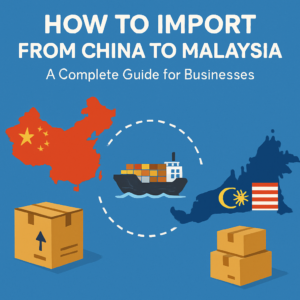
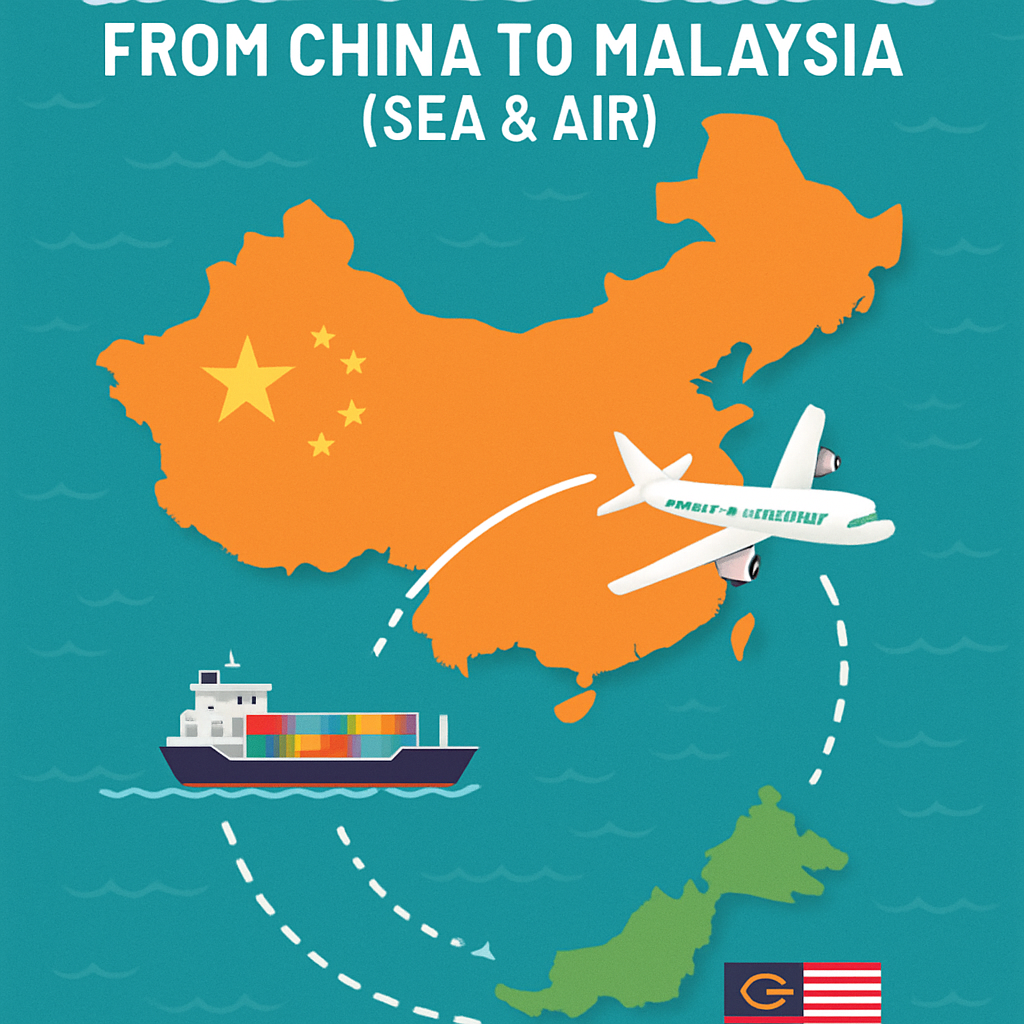
As globalization accelerates and e-commerce continues to dominate retail markets, efficient shipping from China has become the backbone of inventory strategies for Malaysian small businesses. Whether you’re sourcing unique electronics, trendy fashion, or day-to-day consumer goods, understanding the best China to Malaysia shipping routes—by both sea and air—can dramatically impact your bottom line.
This in-depth guide explores every stage of import shipping Malaysia, helping small business owners navigate China logistics hubs, select optimal Malaysia receiving ports, compare port-to-port shipping Malaysia options, and anticipate challenges. Packed with practical comparisons, real-world case studies, and actionable strategies, it is your one-stop knowledge base for building a successful China-Malaysia supply chain.
Table of Contents
- Introduction to China–Malaysia Trade
- Major China Logistics Hubs & Ports
- Malaysia’s Key Receiving Ports & Airports
- Popular Sea Shipping Routes
- Prominent Air Shipping Routes
- Sea vs Air Shipping: A Comprehensive Comparison
- Case Studies and Success Stories
- Step-by-Step Guide: Import Shipping from China to Malaysia
- Actionable Tips for Small Business Owners
- Common Challenges and Solutions
- Conclusion and Key Takeaways
1. Introduction to China–Malaysia Trade
China’s role as Malaysia’s largest trading partner cannot be overstated. Over the past decade, trade has grown exponentially, propelled by China’s rapid industrialization and Malaysia’s transformation into a major ASEAN hub for both manufacturing and consumer sales. According to the Malaysian External Trade Development Corporation (MATRADE), bilateral trade between China and Malaysia surged to over USD 176.8 billion in 2023, with China now accounting for nearly 19% of Malaysia’s total trade value.
This flourishing partnership is driven by:
- Chinese supplier dominance in electronics, machinery, textiles, plastics, and consumer goods.
- Robust e-commerce growth in Malaysia, fueled by digitalization and shifting consumer habits.
- Connectivity improvements via Belt and Road Initiative (BRI), enhancing port, road, and air infrastructure.
For small business owners in Malaysia, the right import shipping Malaysia strategy is more important than ever. Timely, cost-effective deliveries not only keep shelves stocked but also enable business owners to respond rapidly to emerging trends and avoid costly stockouts. To make the most of China’s manufacturing juggernaut, it is vital to pick the right China to Malaysia shipping routes.
2. Major China Logistics Hubs & Ports
Choosing the right origin, or hub, in China will shape every aspect of your shipping process—from transit times and costs to regulatory ease and security.
2.1. Top China Logistics Hubs
- Pearl River Delta (Shenzhen, Guangzhou, Dongguan): Electronics, furniture, appliances, toys.
- Yangtze River Delta (Shanghai, Ningbo, Suzhou): Machinery, apparel, textiles, chemicals.
- Bohai Rim (Tianjin, Qingdao, Dalian): Heavy industries, auto parts, machinery.
- Fujian Coast (Xiamen): Textiles, footwear, food products.
Each hub specializes in certain goods due to its regional manufacturing strengths. Consider proximity when booking: shipping from the nearest hub reduces inland transport time and cost.
2.2. Leading Export Ports for Malaysia-Bound Cargo
Shanghai (Yangshan Port)
- World’s busiest container port, handling over 47 million TEUs (2023).
- Strong global connections, advanced container handling tech.
- Ideal for electronics, apparel, machinery.
Shenzhen Port (Yantian, Shekou, Chiwan Terminals)
- Over 27 million TEUs annually.
- Closeness to China’s largest electronics manufacturing zone.
- Favors high-tech goods, consumer electronics.
Ningbo-Zhoushan Port
- 35 million TEUs shipped in 2022.
- Strength in bulk and containerized goods, especially chemicals and machinery.
Guangzhou (Nansha Port)
- Pearl River Delta powerhouse.
- Quick customs, flexible sailing schedules.
Other Major Ports:
- Qingdao: Northern China, automotive and chemical hub.
- Xiamen: Serves southeast China, competitive for footwear and textiles.
- Tianjin: Serves Beijing region, diverse cargo.
Expanded Example:
When a Penang-based houseware distributor shifted sourcing from eastern China (Qingdao) to southern China (Shenzhen), they reduced overland transit time by three days and import shipping Malaysia charges by 11%—demonstrating the cost and speed impact of port selection.
3. Malaysia’s Key Receiving Ports & Airports
Just as important as the departure port is choosing the correct Malaysian entry point based on your business location, distribution needs, and target markets.
3.1. Major Seaports in Malaysia
- Port Klang:
- Malaysia’s primary container gateway. Handles 70%+ of national cargo.
- Fully equipped for FCL, LCL, bulk, and Ro-Ro shipments.
- Close proximity to Kuala Lumpur and Selangor.
- Penang Port:
- Northern Malaysia’s main hub.
- Best option for SMEs serving Penang, Perak, Kedah, and Perlis.
- Johor Port (Pasir Gudang) & Port of Tanjung Pelepas (PTP):
- Strategically located near Singapore, ideal for southern businesses and for transshipments.
- Kuching & Kota Kinabalu Ports:
- Serve Sarawak and Sabah (East Malaysia).
- Receive growing volumes of finished goods, construction materials, and foodstuffs.
3.2. Key International Airports
- Kuala Lumpur International Airport (KLIA):
- Country’s top air cargo facility (over 750,000 tonnes in 2022).
- Direct connections to major Chinese airports.
- Penang International Airport (PIA):
- Northern Malaysia’s hub, facilitating rapid e-commerce and chilled cargo movement.
- Senai International Airport:
- Serves Johor and Singapore-linked businesses.
- Suited for time-sensitive shipments.
Example:
A Sarawak-based e-commerce seller found importing electronics via Kuching port dramatically cut down secondary delivery expenses versus routing shipments through Port Klang.
4. Popular Sea Shipping Routes
For most small businesses, sea shipping is the backbone of China to Malaysia shipping routes due to its affordability—especially for high-volume and weighty goods.
4.1. Main Routes and Transit Times
- Shanghai → Port Klang (Malacca Strait):
- Direct, competitive rates, sailing weekly or more.
- Transit: 7–10 days.
- Major carriers: Maersk, MSC, Evergreen, Cosco.
- Ideal for FCL and LCL cargo due to high frequency.
- Shenzhen/Yantian → Port Klang / Penang:
- Preferred route for electronics, appliances, and accessories.
- Transit: 6–8 days; frequent sailings.
- Ningbo → Port Klang:
- Well-connected; suitable for machinery, textiles, chemicals.
- Transit: 8–12 days.
- Guangzhou → Johor/PTP:
- Vital for businesses with southern Malaysia distribution.
- Transit: 5–7 days.
- Qingdao/Xiamen → Penang / Port Klang:
- Solutions for northern businesses or specific goods.
4.2. FCL vs LCL
- Full Container Load (FCL):
- Best pricing for large volumes (>15 CBM).
- Faster, as containers are loaded directly at port and delivered straight to consignee.
- Less than Container Load (LCL):
- Goods from different shippers consolidated in a single container.
- Suited for smaller orders; extra time may be added for deconsolidation at destination.
4.3. Example: Consolidation Advantage in Sea Shipping
A Melaka-based hardware wholesaler, ordering 3 CBM of goods monthly, used LCL consolidation from Ningbo. By sharing container space with other Malaysian importers, their per-cubic-meter costs were 35% lower than shipping exclusively, enabling competitive local pricing.
5. Prominent Air Shipping Routes
When every minute counts, air shipping shines for import shipping Malaysia—particularly with the emergence of flash sales, fashion cycles, and market trends that demand rapid replenishment.
5.1. Key Air Cargo Connections
- Shanghai Pudong (PVG) → Kuala Lumpur (KUL):
- Multiple daily cargo flights via MASkargo, China Eastern, AirAsia Cargo.
- Transit: 1–2 days (including customs clearance).
- Favors electronics, luxury goods, urgent spares.
- Guangzhou Baiyun (CAN) → KLIA/Penang:
- Direct, reliable; regular international cargo and express services.
- Critical for pharmaceuticals, fast-moving consumer goods.
- Shenzhen Bao’an (SZX) → KLIA / Penang:
- E-commerce hub; frequent integrator flights (e.g., SF Express, DHL).
- Popular among SMEs selling gadgets, fashion, and small electronics.
5.2. Express and Courier Air Services
- International air couriers (DHL, FedEx, UPS, Aramex) offer door-to-door solutions, excellent for samples or high-value, small parcels.
- Alibaba and JD.com logistics units streamlining cross-border e-commerce shipments into Malaysia.
Expanded Example:
A Kuala Lumpur-based fashion retailer launching a viral “limited edition” sneaker leveraged express air cargo from Guangzhou. Despite a 300% higher shipping rate than sea freight, the shoes arrived in 36 hours, selling out online in under 48 hours—proving that well-timed air imports can directly drive market success.
5.3. Mixing Air and Sea: Hybrid Solutions
Some shippers use air-sea multimodal solutions (air from China to Singapore, then short sea hop to Malaysia), balancing urgency and cost. Exploring such hybrid options is wise, especially for multi-line businesses.
6. Sea vs Air Shipping: A Comprehensive Comparison
Making the right modal decision is crucial. The following table summarizes the main differences between sea and air options for China to Malaysia shipping routes:
| Factor | Sea Shipping | Air Shipping |
|---|---|---|
| Cost | Lowest per kg for bulk shipments | 4–6x higher per kg |
| Speed | 6–12 days average | 1–3 days |
| Reliability | Vulnerable to weather and port delays | Highly reliable, minimal delays |
| Cargo Volume | Ideal for large, heavy, or hazardous goods | Best for light, high-value items |
| Frequency | Ship departs every few days (depend ports) | Daily or multiple times daily |
| Documentation | Complex (Bill of Lading, insurance, etc.) | Simplified (Air Waybill) |
| Customs Clearance | May be slower | Generally quicker |
| Sustainability | Lower carbon footprint per kg (on large loads) | Higher carbon footprint per kg |
6.1. Real-World Comparison Examples
- Sea to Save Costs:
An auto parts importer from Johor ordered bulk containers (FCL) from Tianjin. The company reported 70% lower shipping costs but built in two-week lead times to accommodate customer expectations. By negotiating slack with clients, they maximized sea freight’s cost advantage. - Air for Competitive Edge:
A Shah Alam electronics reseller chose air cargo for monthly product launches, ensuring latest gadgets arrived before competitors. The premium paid in shipping was offset by gaining reputation as the “first-to-market” supplier and higher profit margins. - Hybrid Model:
A lifestyle products business diversified by combining monthly sea shipments for regular inventory and ad hoc air shipments for fast-moving SKUs. This approach achieved a balance between low average cost and market responsiveness.
7. Case Studies and Success Stories
7.1. Case 1: Port-to-Port Efficiency Gains
Company: Ming Lee Electronics, Penang
Background: Previously relied on monthly LCL from Ningbo to Port Klang, then trucked up north.
Intervention: Shifted to FCL shipments via direct Shanghai–Penang Port route using a reputable forwarder.
Results:
- 15% reduction in shipping costs due to direct route and FCL savings.
- Improved lead times, with goods arriving 3 days faster.
- Enhanced customs coordination reduced clearance issues.
7.2. Case 2: E-Commerce Air Freight Acceleration
Company: KiddoToys, Johor