How to Avoid Delays in China to Malaysia Shipping: A Complete Guide
Importing goods from China is a proven strategy for Malaysian small business owners seeking to optimize costs and leverage high-quality manufacturing. However, as many have learned, delays between China and Malaysia shipping can quickly erode profits, disrupt customer satisfaction, and undermine business growth. Customs issues in Malaysia, unpredictable shipping lead times, and freight planning missteps are just a few of the hurdles that can derail even experienced importers.
This comprehensive guide delivers in-depth strategies, actionable steps, and real-world examples to help you avoid delays in China to Malaysia shipping. Whether you are new to importing or seasoned but seeking improved efficiency, these insights will empower you to control your supply chain and focus on business growth.
Understanding the Main Causes of Delays in China-Malaysia Shipping
Before implementing solutions, it’s crucial to recognize the specific factors that frequently cause shipping slowdowns. According to UNCTAD’s Review of Maritime Transport (2023), Asian ports (notably China’s) dominate global container throughput. This vast activity brings complexity and, inevitably, bottlenecks.
Core Factors Influencing Shipping Delays
1. Customs Issues in Malaysia
Customs clearance in Malaysia is one of the most significant sources of delays for Chinese imports. Problems can stem from:
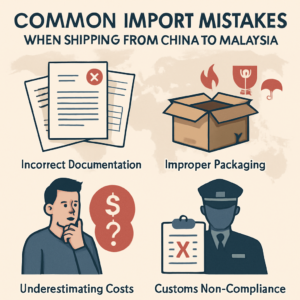
- Incomplete or Inaccurate Documentation: Errors in paperwork—such as typo in the commercial invoice, missing packing lists, or incorrect Harmonized System (HS) codes—prompt customs officials to hold shipments until corrections are made.
- Tariff Misclassification: Failing to declare the correct product category may lead to penalization, extra duties, or prolonged scrutiny.
- Lack of Permits for Regulated Goods: Certain products require permits or licenses (electronics, food, pharmaceuticals), and arriving without these guarantees prolonged detention.
- Random Inspections: Even with perfect paperwork, authorities may select shipments for additional inspection, often adding days or weeks to the process.
A Penang electronics company habitually received battery shipments from Guangzhou. For months, their imports cleared quickly until a new customs officer noticed the lack of a special permit for lithium batteries. The entire shipment was held for three weeks as the company scrambled to obtain the required documentation—a costly reminder to double-check permits for every order.
2. Inaccurate Freight Planning
Effective freight planning is the bedrock for shipping reliability. However, small business owners often under- or overestimate shipping durations, book cargo at the last minute, or misunderstand carrier schedules, leading to:
- Missed Vessel Cut-Offs and Rollovers: Booking a few days late can result in your cargo missing the vessel, especially in high-demand periods.
- Unplanned Transit Times: Some carriers reroute shipments through additional ports, extending transit by several days without prior notice.
- Improper Freight Mode Selection: Choosing sea freight when air freight or express courier would have met urgent deadlines, or vice versa, impacts both cost and speed.
Sarah, a boutique tea seller in Kuala Lumpur, relied on a local freight forwarder to coordinate her imports from Fujian. When orders spiked before Ramadan, Sarah’s forwarder did not secure a vessel booking early. Consequently, her shipment missed the intended vessel, forcing a two-week wait for the next available sailing—resulting in missed sales opportunities.
3. Shipping Lead Time Fluctuations
Shipping lead time Malaysia—the period from goods leaving China to arriving and clearing Malaysian customs—can shift unpredictably due to:
- Seasonal Surges: Chinese New Year, Golden Week, and end-of-year holidays see massive port congestion and increased transit periods.
- Port Congestion or Equipment Shortages: High volumes can overwhelm shipping terminals, leading to equipment imbalances, trucker shortages, or long anchorage queues.
- Global Disruptions: Events like the COVID-19 pandemic, Suez Canal blockage, or trade tension flare-ups may cause extensive delays.
Freightos Data (2023) confirms that the average sea transit now hovers around 8–14 days from China’s major ports to Port Klang, with seasonal peaks reaching over 20 days.
4. Inadequate Supply Chain Communication
Poor communication across your shipping partners—supplier, freight forwarder, customs broker, and your own warehouse team—can snowball minor issues into major setbacks:
- Mislabeled Goods or Miscommunicated SKUs: Causes confusion and slowdowns at loading, customs, or delivery.
- Failure to Share Updates: Without proactive updates, you may learn about a missed sailing or customs hold too late to intervene.
- No Standard Operating Procedures (SOPs): When roles and responsibilities aren’t clearly defined, important tasks fall through the cracks.
An online fashion retailer in Selangor traced several late arrivals to simple miscommunication. Their supplier shipped a mixed container but failed to label boxes per Malaysia’s requirements. Customs inspected the entire load, causing a four-day delay. After instituting a unified labeling SOP and weekly supplier calls, delays fell by 70%.
5. External Factors
- Weather Disruptions: Typhoons or extreme storms shut down ports or disrupt shipping lanes.
- Political or Labor Strikes: Dock worker strikes or policy changes can cause unplanned closures.
- Pandemic Protocols: Additional health checks and documentation can extend clearance times.
Key Data: The Current State of China to Malaysia Shipping
- Average Shipping Lead Time:
Sea Freight: 8–14 days between major Chinese ports and Malaysia (not including clearance).
Air Freight: 2–5 days door-to-door. - Customs Delay Impact:
30% of import delays trace back to documentation errors or tariff/classification mismatches (Malaysia RMCD, 2023). - Economic Losses:
Southeast Asian SMEs forfeit up to 5–7% of annual sales due to avoidable supply chain inefficiencies, including shipping delays (ADB, 2023). - Peak Season Extension:
During Chinese New Year, transit and clearance times may increase by 50–100%.
In-Depth Examples: Preparation in Action
Case Study 1: Overcoming Documentation Snags
Mei Lin, a Johor-based entrepreneur importing electronics, faced monthly two-week delays due to recurring errors in supplier-issued documents, from wrong invoice figures to incomplete packing lists. After suffering a costly three-week customs hold (her buyers canceled pre-orders), she:
- Trained her China suppliers using a detailed documentation checklist.
- Appointed a licensed customs broker in Malaysia.
- Began holding bi-weekly video calls with suppliers before each shipment.
Her shipping lead time fell from over 21 days to 14 days. As a bonus, customers began praising her “on time, every time” record.
Case Study 2: Planning Around Peak Season Crunch
A Selangor furniture wholesaler once lost a major client after failing to deliver during the Chinese New Year rush. To prevent recurrence:
- The team now maintains a six-month import calendar, ordering at least eight weeks before peak periods.
- They split cargo into partial containers shipped via both sea and air, hedging risk of single-mode disruption.
- They maintain regular buffer stock, even if it means extra warehousing costs during busy months.
Orders now arrive largely on time, even during high-traffic weeks, and they gain a reputational edge over less-prepared competitors.
How to Avoid Delays: Proven Strategies for Small Business Owners
1. Master Customs Documentation for Malaysia
Smooth customs clearance demands rigorous paperwork discipline.
Essential Documents for China-Malaysia Shipping
- Commercial Invoice: Details value, quantity, and description; must be accurate and match your order exactly.
- Packing List: Specifies contents—and packaging style—per shipment.
- Bill of Lading or Airway Bill: Proof of shipment; critical for both shipment release and legal ownership transfer.
- Certificate of Origin: Required for preferential tariffs under ASEAN-China FTA.
- Import Permit: Mandatory for controlled or restricted goods (food, electronics, chemicals).
- Product-Specific Documentation: Safety certificates, quarantine paperwork, or ingredient lists for special products.
- Create a Documentation Checklist: Draft and share this with your supplier.
- Use Templates: Standardize formats to minimize misunderstandings.
- Assign Responsibility: Ensure one team member is accountable for verifying paperwork before dispatch.
- Cross-Check HS Codes: Misclassified goods risk delays, fines, or seizure.
- Regular Broker Collaboration: An experienced customs broker can pre-review documents, catch errors, and expedite clearance.
Example:
A Klang Valley importer’s HS code mismatch for cooking appliances initially resulted in misapplied tariffs and a two-week release delay. Partnering with a customs broker with expertise in kitchenware cut subsequent clearance times by half.
2. Optimize Freight Planning for Timely Deliveries
Effective freight planning links your supply chain together and enables you to adapt quickly if issues arise.
Key Tactics
- Choose the Right Freight Mode:
Sea Freight (FCL/LCL): Economical for bulky or non-urgent shipments.
Air Freight: Fastest for high-value or urgent consignments, though pricier. - Time Your Bookings:
Reserve container space at least three weeks ahead during non-peak periods; six weeks during peaks. - Evaluate Freight Forwarder Experience:
Those with dedicated China-Malaysia lanes understand local customs, port operations, and bureaucratic quirks. - Consolidated Shipments (LCL):
Group your smaller shipments with others, reducing partial-container costs and enabling flexible scheduling.
Action Steps:
- Map a Clear Supply Chain Timeline: Mark holidays, sales peaks, and supplier shutdowns.
- Request Carrier Performance Metrics: How often do they miss deliveries or roll cargo?
- Negotiate Service Level Agreements (SLAs): Specify acceptable lead times and financial penalties for overruns.
- Leverage Technology: Use modern shipment tracking systems to visualize progress and predict arrivals.
- Maintain Relationships with Multiple Forwarders: Enables pivoting quickly if one route becomes blocked.
A frozen foods distributor from Melaka renewed her freight forwarder contract with a clause mandating a maximum 12-day sea transit, or partial shipping fees were refunded. Delays due to overbooking dropped dramatically.
3. Enhance Communication Throughout the Supply Chain
Flawless dialogue among all participants minimizes preventable missteps.
Tips for Better Coordination
- Set Up Shared Digital Workspaces: Use tools like Google Drive or Trello for real-time document sharing and status updates.
- Weekly Status Meetings: Schedule recurring calls with your supplier, forwarder, and customs broker.
- Provide Clear, Written Operating Procedures: So each party knows their responsibilities and timing.
- Designate an Internal Import Coordinator: This team member oversees communications and preempts issues before they escalate.
An online apparel retailer based in Ipoh used to face stockouts due to last-minute freight updates. Adopting Google Sheets shared between their supplier, customs agent, and warehouse made real-time updates possible. As a result, missed deliveries shrank by 80%, and their fulfillment rating soared on Shopee and Lazada.
4. Plan for Variable Shipping Lead Time
Mitigating unpredictable shipping lead time Malaysia is both an art and a science.
Smart Planning Methods
- Request Realistic Estimated Arrival Ranges: Experienced suppliers can factor in port schedules, local holidays, and global events.
- Maintain Buffer Stocks: Keep at least one to two months’ inventory of fast-moving SKUs.
- Stagger Shipments: Ship smaller loads more frequently instead of one large batch; this mitigates risk if a single shipment is delayed.
- Diversify Suppliers and Forwarders: Avoid over-reliance on any single route or partner.
During the COVID-19 pandemic, “CasaPro,” a Kuala Lumpur home goods importer, kept a 30-day buffer on best-sellers. Despite massive port closures and container shortages, their orders were rarely delayed, and they won market share from competitors who repeatedly stocked out.
5. Understand and Respond to Malaysian Customs Issues
Staying on top of local regulations and responding promptly to customs requests can mean the difference between a routine shipment and a protracted hold.
Actionable Tips
- Frequent Regulation Checks: Subscribe to RMCD updates or industry newsletters for changes in import rules or tariffs.
- Assign “Customs Liaison” Role: This person monitors all incoming communication and expedites document submission if customs queries arise.
- Leverage E-Declare