How to Import from China to Malaysia: A Complete Guide for Businesses
Are you a small business owner in Malaysia eager to tap into the world’s largest manufacturing hub? Importing from China to Malaysia is an incredible opportunity to source high-quality products at competitive prices, expand your product range, and strengthen your market position. However, making the leap into international trade can feel overwhelming—especially if you’re unfamiliar with the rules, paperwork, logistics, and strategies.
In this comprehensive how-to guide, we walk you through every essential step of the import journey, enriched with practical tips, real-world business experiences, and actionable insights. Whether you’re just starting or looking to streamline your existing processes, this resource is designed to help you import from China to Malaysia with clarity and confidence.
Table of Contents
- Why Import from China to Malaysia?
- Understanding the Basics: Import Procedures Malaysia
- Key Considerations Before You Start
- Choosing Suppliers: Research, Verification, and Trust
- Logistics and Shipping from China to Malaysia
- Clearing Malaysian Customs: Documentation and Duties
- Real-World Success Stories and Customer Experiences
- Common Challenges and How to Overcome Them
- Actionable Tips for First-Time Importers
- Frequently Asked Questions (FAQs)
- Conclusion
Why Import from China to Malaysia?
China has long been recognized as the “world’s factory,” exporting an extraordinary diversity of goods at competitive rates. For Malaysian small business owners, importing from China offers unique advantages:
Advantages of Sourcing from China
- Extensive Product Variety: Access to an endless range of items—from electronics and consumer goods to raw materials, textiles, and packaging.
- Cost Savings: Lower production costs mean more affordable pricing, increasing your profit margins.
- Rapid Innovation: China’s manufacturing sector is highly responsive to trends, offering new products and upgrades quickly.
- Scalability: Easily ramp up order quantities once you establish demand in Malaysia.
Example: Ms. Farah, founder of a home décor business in Johor Bahru, shifted her supply chain to China for customized ceramics. The switch lowered her cost per unit by 35% and allowed her to launch trendy new designs months before the competition.
The Scale of Malaysia-China Trade
According to the Department of Statistics Malaysia, China accounted for around 21% of Malaysia’s total imports in 2023. Bilateral trade value exceeded USD 176 billion in 2022, reflecting stable and well-developed trade channels. These statistics aren’t just numbers—they highlight a mature, secure logistics ecosystem that Malaysian SMEs can leverage.
Understanding the Basics: Import Procedures Malaysia
Before you start shipping from China to Malaysia, it’s crucial to understand the rules and steps enforced by Malaysia’s Royal Customs Department (JKDM) and relevant authorities.
Registering as an Importer
- Business Registration: You must have a registered company (Sdn Bhd, Partnership, or Sole Proprietorship) via the Companies Commission of Malaysia (SSM).
- Customs Registration: Register for an import license with JKDM through the JKDM’s ePermit system.
Product Classification and HS Codes
- HS Codes (Harmonized System Codes): Every product type is assigned a unique HS code for tariff and compliance purposes. This determines applicable duties and taxes.
- Finding HS Codes: Use the Malaysian Customs Tariff website or consult your freight forwarder or customs agent.
Checking Prohibited and Restricted Items
Not everything can be shipped from China to Malaysia. Review Malaysia’s list of prohibited and restricted imports (available on the JKDM website). Examples:
- Narcotics, controlled medicines, daggers, counterfeit goods, and unregistered food items are prohibited.
- Refrigerators, vehicles, toys, and certain electrical appliances require approval from relevant agencies (DOE, SIRIM, MoH).
Preparing Required Documents
Essential documents for import procedures Malaysia includes:
- Commercial Invoice: States product value and description.
- Packing List: Details of packed items and quantities.
- Bill of Lading/Airway Bill: Shipment’s transportation contract.
- Import Permit: Required for regulated items.
- Certificates: e.g., Certificate of Origin, quality standard certificates, and other special permits.
Fact: In 2023, more than 2.3 million import declarations were filed in Malaysia, with nearly 40% connected to trade with China.
Key Considerations Before You Start
Importing stretches beyond choosing a supplier and shipping goods. Success depends on planning, due diligence, and compliance.
Product Legality and Compliance
- Legal Requirements: Confirm your chosen products are permitted and compliant with Malaysian regulations.
- Safety and Quality Standards: Some items (especially electronics, toys, cosmetics) must meet SIRIM or MoH certification.
Assessing Market Demand
Before investing heavily, validate market demand:
- Survey potential customers.
- Analyze current competitors: Are similar items popular or already saturated?
- Consider niche or trending products that provide differentiation.
Cost Analysis: Calculating Landed Cost
Don’t overlook hidden expenses when calculating your total landed cost:
- Product cost (FOB or CIF)
- Freight and insurance
- Malaysian import duties and taxes (e.g., Sales Tax/SST)
- Port and customs clearance fees
- Inland transport, warehousing, and handling fees
Example: Mr. Lim, a Penang-based toy retailer, initially ignored lab fees for SIRIM certification. The unexpected charges reduced his profit margin by 12%. Accurate landed cost calculations prevent such surprises.
Supplier Due Diligence
Part of your pre-import groundwork must be supplier research—covered in the next section.
Choosing Suppliers: Research, Verification, and Trust
Choosing the right supplier is arguably the most critical step in the import process. The rise of e-commerce and B2B platforms like Alibaba, Made-in-China.com, DHGate, and Global Sources has made sourcing accessible but also increased the risk of scams and poor-quality suppliers.
Researching Potential Suppliers
- Use reputable platforms that verify suppliers.
- Attend online and physical trade shows (e.g., Canton Fair, China Import and Export Fair).
Verifying Supplier Identity
Follow these steps to avoid costly mistakes:
- Company Credentials: Request copies of business licenses, government registration, and export certificates.
- Factory Documentation: Ask for factory audits, ISO certifications, and third-party inspection reports.
- Customer References: Ask to speak with previous international customers from Southeast Asia.
- Sample Orders: Always order samples before bulk purchases.
- Payment Security: Use secure payment terms like Letter of Credit (L/C), Escrow, or Alibaba Trade Assurance for protection.
Case Study:
Sarah, a Kuala Lumpur-based stationery distributor, once imported a bulk order from an “online gold-supplier” only to receive misprinted, unsellable notepads. After that costly lesson, she switched to a supplier that allowed a third-party inspection before shipment. The result? Her defect rate dropped below 2%, saving thousands of ringgit and protecting her store’s reputation.
Building Long-Term Partnerships
- Develop relationships with suppliers for better terms and reliability.
- Visit suppliers in China if possible, or use agents to conduct onsite inspections.
Logistics and Shipping from China to Malaysia
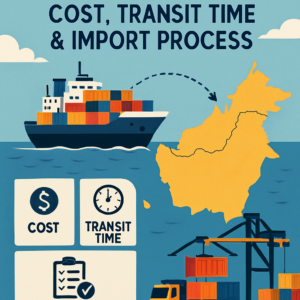
Your choice of logistics—how your product gets from China to Malaysia—directly affects cost, speed, and security.
Shipping Methods Overview
- Sea Freight (FCL/LCL):
- Full Container Load (FCL): Ideal for large-volume importers (13+ cubic meters).
- Less than Container Load (LCL): Share container space with other importers.
- Air Freight:
- Best for small, high-value, or urgent consignments.
- Typically 2–5 days transit time.
- Courier and Express Services:
- DHL, FedEx, UPS, SF Express provide door-to-door delivery, optimal for samples, documents, or urgent/valuable small packages.
Fact: Over 72% of Malaysia-China goods traffic is handled by sea, with major ports being Port Klang, Penang, and Johor.
Choosing Freight Forwarders
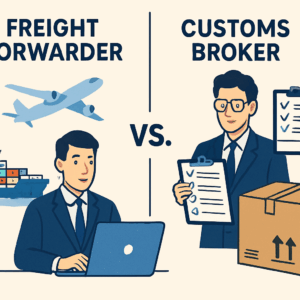
A freight forwarder arranges the movement of goods, handles documentation, and ensures compliance with logistics regulations.
Well-known Providers:
- Sinotrans, Kuehne + Nagel, Yusen Logistics, Maersk, Pos Logistics, DB Schenker
Benefits of Using a Freight Forwarder:
- Professional handling of complex logistics
- Customs clearance support
- Consolidated shipment options (LCL)
Example:
Shahril, an electronics importer in Klang, saved time and money by hiring a freight forwarder offering “DDP” (Delivered Duty Paid) service—covering all costs, duties, and handling from China direct to his warehouse.
Incoterms: Who Pays and When?
Understand Incoterms to establish your responsibilities and risk:
- FOB (Free on Board): Seller delivers goods to the port. You handle shipping and insurance from there.
- CIF (Cost, Insurance, Freight): Seller pays for transport to the port of arrival. You clear customs and pay duties.
- EXW (Ex Works): You pick up goods from the supplier’s premises.
- DDP (Delivered Duty Paid): Seller arranges and pays for everything through to your door—all inclusive, but more expensive.
Always agree on clear Incoterms in your contract. This will set expectations and avoid disputes.
Clearing Malaysian Customs: Documentation and Duties
Once your goods arrive, they must be cleared through Malaysian customs before entering the market.
Required Documentation for Import from China to Malaysia
- Commercial Invoice: Proof of transaction value and imported goods description.
- Packing List: Details on the packaging and quantity.
- Bill of Lading/Airway Bill: Confirms shipment, carrier, and transshipment details.
- Certificate of Origin (when required): Shows goods’ country of manufacture/growth.
- Import Permit: For controlled/restricted products.
- Relevant Certifications: SIRIM, MoH, DOE approvals for regulated products.
Tip: Consistency in all documents is vital; discrepancies can trigger delays, fines, or inspections.
Understanding Duties and Taxes
- Import Duties: These range from 0–25% based on the HS code. Most consumer goods average under 6%.
- Sales and Service Tax (SST): Generally, 10% is charged on imported goods.
- Additional Charges: May include anti-dumping duties, excise tax (on alcohol/vehicles), and port handling fees.
Duty Calculation Example:
Ali, owner of a gadget shop, imports 500 Bluetooth speakers. His cost breakdown:
- FOB Cost: RM20,000
- Freight & Insurance: RM2,000
- Import Duty (6%): RM1,320
- SST (10%): RM2,332
- Total Landed Cost: RM25,652
Ali’s careful pre-import calculation lets him price wisely and maintain healthy margins.
Step-by-Step Customs Clearance Process
- Document Submission: File customs declaration (K1 form) via the Sistem Maklumat Kastam (SMK) portal.
- Duties/Tax Payment: Pay applicable import duty and SST online.
- Customs Inspection: Random inspections may occur; ensure your paperwork is accurate.
- Goods Release: Once cleared, arrange for inland transport to your warehouse.
Insider Tip: Engage a licensed customs broker or rely on your freight forwarder for expertly navigating Malaysian import procedures.
Real-World Success Stories and Customer Experiences
Nothing beats real-world learning. Here’s how Malaysian entrepreneurs have achieved import success (and overcome setbacks):
Amir’s Electronics Expansion (Penang)
Amir started small—importing smartphone accessories from Guangzhou after thorough supplier verification and using Alibaba’s Trade Assurance. By leveraging existing relationships with a reputable freight forwarder, he avoided common pitfalls such as customs documentation errors and surprise port charges. Within 12 months, his profit margin grew 25% and he expanded into wearables.
Faridah’s Kitchenware Startup (Johor)
Faridah wanted to offer unique, food-safe kitchenware. The challenge? Understanding import permit requirements and compliance with Malaysian Food and Drug Authority rules. After attending MATRADE’s workshops and consulting an experienced forwarder, she successfully imported her first shipment—now, Chinese products account for 60% of her bestsellers.
Yusof’s Home Fitness Retail (Kuala Lumpur)
When the COVID-19 pandemic spurred demand for home fitness gear, Yusof took a calculated risk by importing dumbbells and yoga gear via DDP service. He paid slightly higher all-in costs for this “stress-free” experience, as the forwarder managed all regulatory, customs, and logistics on his behalf. The result? He was first to market, locking in brand loyalty and robust sales growth.
Bonus Example: Hana’s Fashion Boutique
Hana operates a small online clothing brand. She used video calls to connect with Chinese textile factories pre-pandemic and combined LCL shipping with friends in the same industry, saving significantly on transport costs. She advises, “Networking with other Malaysian SMEs for combined shipments can lower per-unit costs and spread risk.”
<h2 id=”common-ch