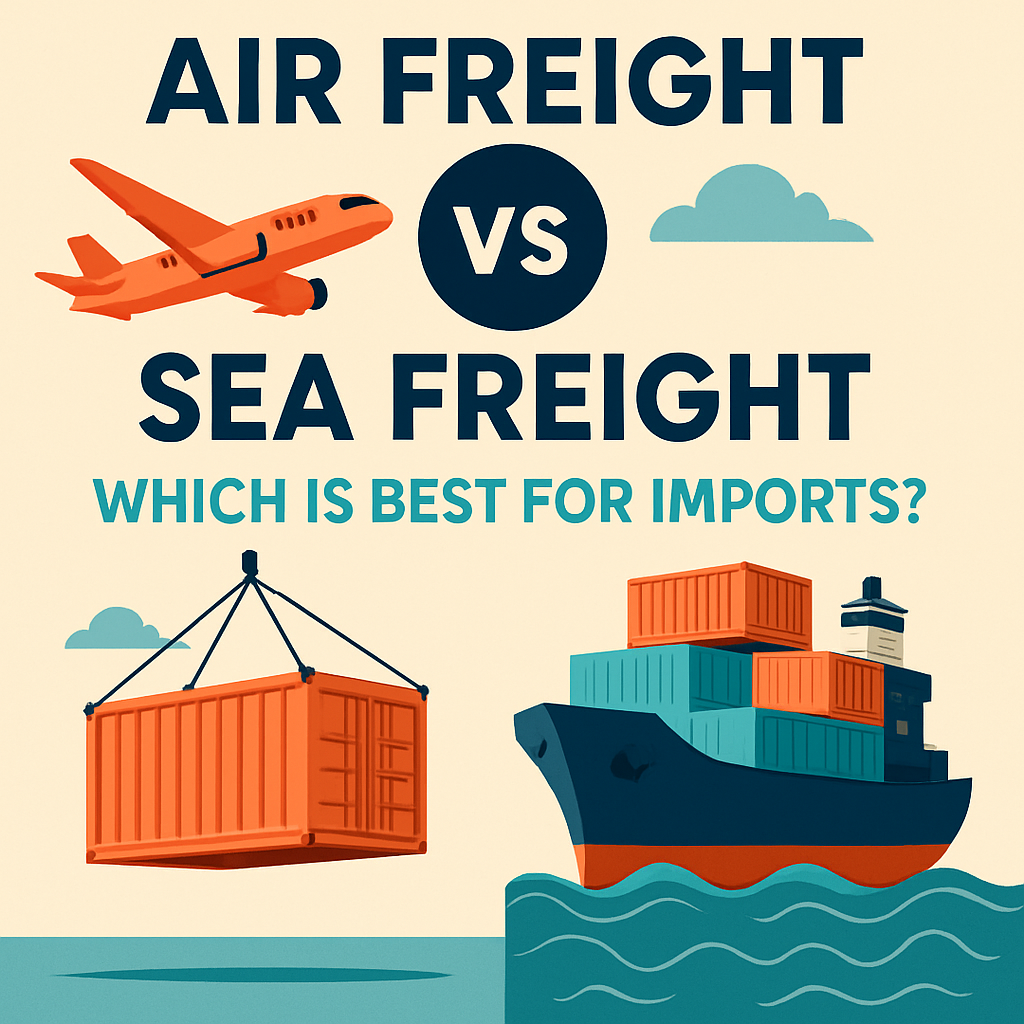
Air Freight vs Sea Freight: Which is Best for Imports? A Malaysian SME’s Guide
Introduction: The Importer’s Dilemma in Malaysia
In Malaysia’s booming trade landscape, small business owners face a crucial logistics crossroads: air freight vs sea freight. The decision doesn’t just impact delivery times—it can make or break your profit margins, customer satisfaction, and even your business’s reputation. Whether you’re importing premium coffee machines to Kuala Lumpur or bulk textile rolls for your Penang workshop, the stakes are high.
Consider Ms. Tan, who runs a retail electronics business in Kota Kinabalu. She often wonders: should she pay a premium for speedy air freight, or is lower-cost ocean freight a smarter choice? Each option brings unique pros, cons, and risks—making the decision far from straightforward.
This comprehensive guide dives deep into air freight vs sea freight Malaysia, breaking down essential factors, providing real-world examples, and offering actionable advice tailored for Malaysian SMEs. If you’re seeking an informative comparison on shipping methods, with insights into ocean freight Malaysia and container shipping Malaysia, you’re in the right place.
Table of Contents
- Introduction: The Importer’s Dilemma in Malaysia
- Understanding Core Shipping Methods
- What Is Air Freight?
- What Is Sea Freight?
- What Is Container Shipping?
- Key Differences: Air Freight vs Sea Freight
- Cost Comparison
- Speed & Transit Time
- Capacity & Volume
- Reliability & Safety
- Environmental Impact
- Flexibility & Accessibility
- Malaysian Case Studies & Customer Experiences
- How Container Shipping Works in Malaysia
- When to Choose Air Freight: Practical Scenarios
- When to Opt for Ocean Freight: Practical Scenarios
- Making Your Choice: Decision Framework & Action Steps
- Frequently Asked Questions (FAQs)
- Conclusion: Choosing the Right Shipping Method for Malaysian SMEs
Understanding Core Shipping Methods
What Is Air Freight?
Air freight is the transportation of imported goods via aircraft. In Malaysia, this service is mostly handled by Malaysia Airlines Cargo (MASkargo), international couriers like DHL, FedEx, and specialized freight forwarders. Major hubs include Kuala Lumpur International Airport (KLIA), Penang International Airport, and Senai International Airport in Johor.
Key Applications:
- Electronics, pharmaceuticals, fashion, perishables, and components that are lightweight and time-sensitive.
- Emergency restocks or inventory needed for a specific event or market launch.
Advantages:
- Unparalleled speed—goods can reach Malaysia from Asian neighbours or global exporters in as little as 1-5 days.
- More predictable schedules with lower risk of unforeseen delays.
Limitations:
- Strict size, weight, and hazardous material restrictions.
- Significantly higher cost per kilogram compared to sea freight.
Example: If you urgently need 50kg of imported microchips for assembly lines in Shah Alam, air freight could deliver in under 72 hours.
What Is Sea Freight (Ocean Freight)?
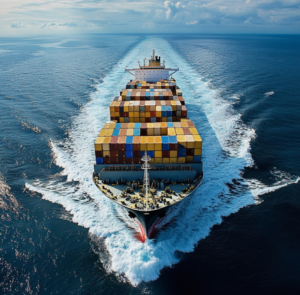
Sea freight, or ocean freight, involves transporting goods in cargo ships, mainly in standardized containers (20FT or 40FT). In Malaysia, this is the default choice for most imports—over 90% of cargo by volume moves this way.
Major Ports in Malaysia:
- Port Klang (largest and busiest)
- Port of Tanjung Pelepas (Johor)
- Penang Port
- Johor Port (Pasir Gudang)
Key Applications:
- Bulky, heavy items: machinery, automotive parts, raw materials, furniture, textiles.
- Goods with flexible timelines, or scheduled seasonal imports.
Advantages:
- Economies of scale—cost per unit drops sharply as shipment size increases.
- Capacity for oversized items or bulk orders.
Limitations:
- Slower transit time, often several weeks door-to-door.
- Prone to customs delays, port congestion, and weather disruptions.
Example: Importing 2,000kg of fabric rolls from Guangzhou for your Shah Alam garment factory is typically done via ocean freight Malaysia, optimizing for cost savings.
What Is Container Shipping?
Container shipping is the backbone of sea freight. Large steel containers are loaded with goods at origin, sealed, and shipped directly to a Malaysian port, reducing handling and risk of damage.
Types:
- Full Container Load (FCL): You book an entire container.
- Less than Container Load (LCL): Your cargo shares space with other importers.
Advantages in Malaysia:
- Widely supported by local ports and logistics providers.
- Controlled, secure shipping environment for goods.
Example: An SME importing ceramics from Vietnam can opt for LCL container shipping if volumes are modest, or FCL if buying in bulk ahead of festive seasons.
Key Differences: Air Freight vs Sea Freight
Cost Comparison
Air Freight Costs
- Typically, USD $5–$10 per kilogram, depending on airline, route, and commodity.
- Premiums apply for hazardous, temperature-sensitive, or over-dimensional cargo.
- Higher insurance rates due to high value often assigned to shipped goods.
- Includes airport handling, security, and documentation fees.
Example: Importing 100kg of urgent auto parts from Japan to Kuala Lumpur may cost USD $700–$1,000 by air.
Sea Freight Costs
- For a 20-foot container: Around USD $1,000–$2,000 from China or ASEAN to Port Klang, excluding destination handling charges.
- LCL charges: Based on volume (cubic meters) or weight; typically, USD $80–$150 per CBM.
- Lower insurance costs, although local charges (port fees, container deposits) can add up.
Example: Full container of imported office furniture from Shanghai to Port Klang could be shipped for approximately USD $1,500, serving multiple retail outlets in Malaysia.
Malaysia-Specific Cost Comparison Table
| Criterion | Air Freight | Sea Freight (Ocean Freight) |
|---|---|---|
| Cost per kg | USD $5 – $10 | USD $0.10 – $0.50* |
| Best for | Small, high-value, urgent goods | Bulky, heavy, non-urgent cargo |
| Documentation | Simplified, but can be costly | More comprehensive, time-consuming |
| Additional Fees | Higher insurance, airport handling | Port handling, container fees |
*Actual costs are subject to fluctuation based on volume/weight, route, and seasonality.
Malaysian Market Insight
A 2024 MITI report indicates over 80% of SMEs prioritize cost in shipping, making sea freight Malaysia the primary choice except for urgent, high-value goods.
Speed & Transit Time
Air Freight: Same-day to 5 days for international shipments.
Sea Freight: Transit time from Asia ranges 4–10 days port-to-port, but total delivery can take up to 25 days door-to-door.
Case A: Ms. Lim needed 200kg of competitively priced French cheese in time for a holiday season. Only air freight could guarantee a 72-hour turnaround from Paris to KL, beating all rivals in freshness but costing five times more.
Case B: Mr. Anuar planned ahead for his construction supplies import from Thailand. By shipping two 40′ containers by sea, he saved over RM18,000, tolerating a 4-week lead time.
Capacity & Volume
- Air Freight: Suitable for compact, lightweight items up to a few tonnes.
- Sea Freight: Ideal for mass shipments—one 40′ container can carry up to 27,000 kg or 67 cubic meters.
Example Comparison:
- 10,000 pairs of shoes from Vietnam to Malaysia? Sea freight fits in multiple containers.
- 10 luxury watches? Air freight offers better security and cost-efficiency for small parcels.
Reliability & Safety
- Air Freight: Higher schedule reliability (89% globally on-time rate) and fewer risks of pilferage or damage.
- Sea Freight: More susceptible to weather, congestion, and inspection delays.
Environmental Impact
- Air Freight: High CO2 emissions; up to 50 times more compared to sea freight.
- Sea Freight: More eco-friendly per kg, especially with newer vessels under IMO 2020 standards.
Flexibility & Accessibility
- Air Freight: Suitable for last-minute shipments via network of cargo flights.
- Sea Freight: Ideal for scheduled, bulk deliveries to Malaysia’s well-integrated port system.
Malaysian Case Studies & Customer Experiences
Case Study 1: Electronics Supply Chain—Beat the Clock
In late 2023, an SME in Petaling Jaya used air freight to mitigate a factory delay in Taiwan. Delivery within four days saved the business from idle time and late penalties, despite extra logistics cost.
Case Study 2: Food Import—Freshness Matters
A Penang grocer used reefer containers to import cheese and sausage. A 3-week sea journey saved 60% in costs while maintaining product quality.
Case Study 3: Fashion Retailer—Two Modes, One Success
A Johor Bahru fashion retailer uses air freight for accessories and ocean freight for seasonal clothing. This hybrid model boosts shelf speed and profitability.
Case Study 4: Machine Parts—LCL Boosts SME Flexibility
A machinery reseller in KL uses LCL from Japan and Germany. Lower shipment cost offsets slightly longer processing times, helping competitive pricing.
How Container Shipping Works in Malaysia
- Booking & Coordination: Book LCL or FCL via a freight forwarder.
- Packaging & Labeling: Goods packed for container loading.
- Documentation: Prepare commercial paperwork and import permits.
- Transport to Port: Containers trucked to origin port.
- Transit: Ship sails to Port Klang, Tanjung Pelepas, or Penang.
- Port Handling & Customs: Processed digitally (K8 system), duties filed.
- Inland Delivery: Container sent by road or rail to final destination.
Pro Tips:
- Use certified Malaysian freight forwarders.
- Plan LCL/FCL mix for savings and flexibility.
- Track containers in real time.
When to Choose Air Freight: Practical Scenarios
When:
- Urgent delivery
- High-value or perishable goods
- Eco-system reliability is critical
Example:
During a dengue outbreak, an importer in KL air-shipped 300kg of medicine from Switzerland in 5 days, preserving supply chain speed and public trust.
Steps:
- Separate critical cargo for air shipping.
- Negotiate with experienced air freight agents.
- Use tracking tools.
When to Opt for Ocean Freight: Practical Scenarios
When:
- Bulk or heavyweight goods
- Predictable delivery window
- Lowest cost per unit
Example:
A Johor supplier importing 40 tons of steel beams cut RM 30,000 in costs through early planning and sea freight FCL orders.
Steps:
- Align LCL with sales cycles or retail promos.
- Partner with Malaysian consolidators.
- Pre-book around holiday seasons.
Making Your Choice: Decision Framework & Action Steps
- Timing Need: Urgent = Air, Flexible = Sea
- Volume & Weight: Small = Air, Bulk = Sea
- Fragility & Value: Sensitive = Air
- Total Logistics Cost: Compare end-to-end costs
- Sales Impact: Costlier to delay? Pay extra for air
- Expert Advice: Get 3–5 quotes from local forwarders
Hybrid Strategy: Use both modes—fast goods by air, replenishment stock by sea.
Frequently Asked Questions (FAQs)
Q1: What documents are required for Malaysian imports?
Bill of Lading or Air Waybill, Commercial Invoice, Packing List, Certificate of Origin, Import License (if needed), and relevant permits.
Q2: Are customs duties different for air and sea imports?
No; however, airport/port handling fees impact total landed cost.
Q3: How do I avoid shipping delays in Malaysia?
Accurate documentation, early bookings, and reliable forwarders help.
Q4: Can I split shipments to balance timing and cost?
Yes—ship urgent items by air, rest by sea. Forwarders offer consolidated billing.
Q5: Which Malaysian ports are best for container shipping?
Port Klang (central), Tanjung Pelepas (south), Penang Port (north)—choose based on final delivery location.
Conclusion: Choosing the Right Shipping Method for Malaysian SMEs
The ideal choice between air freight vs sea freight Malaysia depends on your shipment size, urgency, and budget.
- Use air freight for time-sensitive, fragile, or valuable items.
- Use ocean freight Malaysia for bulk imports or regular stock replenishment.
Hybrid freight usage ensures agility, savings, and smooth supply chains. Work with trusted Malaysian forwarders who understand both worlds for maximum impact.
Take the Next Step for Your Imports
- Evaluate your imports using the above frameworks.
- Request quotes for air and sea routes.
- Consult experts specializing in Malaysian customs & logistics.