“`html
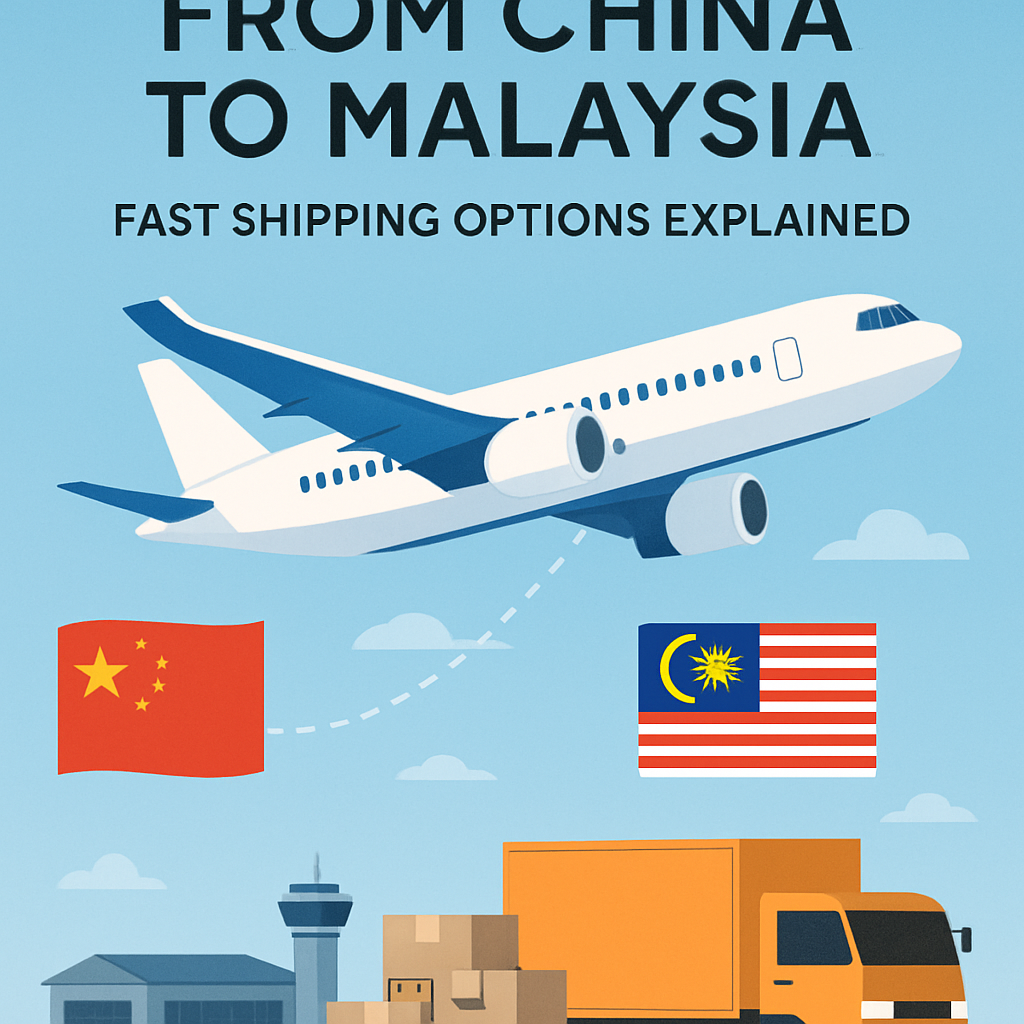
Air Freight from China to Malaysia: Fast Shipping Options Explained – A How-to Guide for Small Business Owners
Introduction
For small business owners purchasing goods from China for resale in Malaysia, the supply chain is the backbone of operational success. Modern consumers demand speed, transparency, and reliability—and nowhere is this truer than in cross-border e-commerce and retail. China to Malaysia air freight has rapidly become the preferred shipping solution for businesses that need fast, dependable deliveries, and can’t afford the delays or unpredictability sometimes associated with ocean freight.
But what exactly does air cargo China Malaysia involve? How do you choose between express and standard air freight? What can you do to optimize both cost and speed, and how do you avoid common pitfalls that trip up newcomers to international logistics?
This in-depth guide is designed specifically for small business owners and retail entrepreneurs. We’ll break down key air freight options, costs, and processes, share actionable insights and real-world case studies, and equip you with the knowledge you need to turn air freight shipping into your competitive edge.
1. The Rising Importance of Air Freight in China-Malaysia Trade
International trade between China and Malaysia has thrived over the past decade, with China maintaining its position as Malaysia’s largest trading partner. In 2022, the bilateral trade volume reached a staggering $176.8 billion USD, highlighting the depth of commercial ties (Statista, 2023).
Why Air Freight?
- Speed: Traditional sea shipping can take 2–4 weeks, but air freight from China to Malaysia delivers most shipments within 1–7 days. This means you can replenish inventory quickly, meet peak demand, and deliver a superior customer experience.
- Reliability: Regular flight schedules for both passenger and cargo aircraft minimize delays, and professional handling keeps your shipments on track.
- Security: Goods shipped by air enjoy reduced risks of theft or damage, making it ideal for high-value or fragile items such as electronics, cosmetics, or fashion accessories.
- Flexibility: Numerous daily flights from major Chinese cities (Guangzhou, Shenzhen, Shanghai, Beijing) to Malaysia (Kuala Lumpur, Penang, Johor Bharu), and the ability to send anything from small packages to large pallets.
Industry Snapshot:
The global demand for air cargo has boomed, especially post-pandemic, with IATA reporting air cargo revenue at a remarkable $210 billion in 2021—double the revenues of previous years. Southeast Asia trade lanes, like China to Malaysia, are among the world’s fastest-growing routes (IATA, 2022).
Example:
A Malaysian electronics retailer found that switching 20% of its shipments to air freight during peak seasons reduced stockouts by 50%, allowing them to capture sales lost to competitors relying solely on sea freight.
2. Types of Air Freight Services: Standard vs. Express
Understanding your shipping options is essential. In air freight, there are two primary choices: standard air cargo and express courier services. Both have unique advantages and ideal use cases.
a. Standard Air Freight
- Transit Time: 3–7 days (depending on route and service level)
- Ideal For: Medium to large shipments (generally above 100 kg), where cost control is important but speed is still a priority over sea freight.
- Operation: Goods are collected by a freight forwarder, consolidated with other shipments, and transported via scheduled cargo or passenger aircraft. Arrives at destination airport for customs clearance and final delivery.
Key Standard Providers:
- China Southern Airlines Cargo
- China Eastern Airlines Cargo
- Malaysia Airlines Cargo (MASkargo)
- AirAsia Cargo
Example:
An importer sourcing home décor in bulk (20 cartons, 300 kg total) from Shanghai uses standard air freight to Kuala Lumpur. The shipment departs Monday and arrives for clearance on Thursday, ensuring timely restocking at a competitive rate.
b. Express Air Freight Malaysia
- Transit Time: 1–3 days (door-to-door)
- Ideal For: Urgent, small shipments (typically below 50 kg); valuable, time-sensitive, or e-commerce orders that require fast processing and delivery.
- Operation: Express couriers handle end-to-end logistics—including pick-up, export clearance, air transport, import clearance, and direct delivery.
Leading Express Providers:
- DHL Express (global coverage, strong support)
- FedEx (integrated tracking, customs assistance)
- UPS (business focus, predictable service)
- SF Express (Chinese market specialist, competitive rates)
Case in Point:
Jenny, a Malaysian Shopify entrepreneur, lost significant sales over the Lunar New Year in 2021 when sea shipments from China were delayed by port backlogs. After switching to DHL Express, she slashed transit times from three weeks to just two days. Customer reviews praised the rapid delivery, and her store doubled repeat order rates for limited-edition holiday goods.
c. Hybrid and Economy Solutions
Some freight forwarders offer semi-express or hybrid air services:
- AirCargo+Delivery Service: Combines regular air freight with door-to-door delivery, often at lower costs than full express.
- Economy Air: Lower rates and slightly longer transit times, trading off speed for cost savings.
3. What Influences Air Freight Costs?
Understanding the cost structure of air cargo China Malaysia is vital to accurately budgeting and avoiding unpleasant surprises.
a. Weight & Volume Calculations
Air freight charges are based on the greater of two values:
- Gross Weight: Actual weight of your cargo.
- Volumetric Weight: Calculated as (Length x Width x Height in cm) ÷ 6000. Airlines use this to account for bulky but lightweight packages.
Tip: Optimize packing efficiency. For example, a 20 kg box measuring 100×60×60 cm would be charged at 60 kg (based on volume), not the gross weight.
b. Cargo Type Considerations
- General Cargo: Applies to most consumer goods.
- Special or Dangerous Goods: Items such as batteries, liquids, perishables require extra paperwork, fees, or precautions. Non-compliance leads to shipment rejection, delays, or fines.
c. Service Level
- Airport-to-Airport: You manage customs and last-mile delivery. Lower base cost, more paperwork.
- Door-to-Door: Freight forwarder manages the entire process, including paperwork and delivery. Slightly higher but all-inclusive.
d. Seasonality & Demand Fluctuations
Peak seasons mean higher costs. Expect surcharges around:
- Chinese New Year
- Golden Week (October)
- Q4 e-commerce sales (Singles’ Day/11.11, Black Friday, Christmas)
Industry Data:
In 2023, air freight rates from China to Malaysia increased by nearly 30% during Singles’ Day promotions (Freightos, 2023).
e. Additional Fees
- Fuel surcharges: Linked to global oil prices.
- Security fees, documentation charges, customs clearance fees
- Insurance: Optional, but highly recommended for high-value shipments (usually 0.2–0.4% of declared value).
How to Estimate Your Air Freight Charge
- Determine package dimensions and gross weight.
- Calculate chargeable weight: (L x W x H, in cm) ÷ 6000 vs. gross weight; use the higher figure.
- Apply the rate per kg: Standard rates (USD 3–8/kg); express (USD 5–12/kg), though rates vary.
- Add relevant surcharges: Fuel, security, paperwork, insurance.
- Request a detailed quote: Avoid hidden costs by insisting on an all-inclusive offer.
4. The Step-by-Step Air Freight Shipping Process
Familiarity with the process empowers small business owners to anticipate, plan, and troubleshoot every stage of the shipment journey.
Step 1: Obtain & Compare Quotes
- Reach out to multiple freight forwarders or express couriers.
- Provide clear details: shipment size, contents, urgency, destination.
- Verify that all services (pick-up, customs, door delivery) and fees are included in the quote.
Step 2: Prepare Goods for Export
- Use export-standard packaging—strong cartons, internal protection, and clear, waterproof labels.
- For fragile or high-value goods, use bubble wrap, foam padding, or custom crates.
- Take photos of packed goods for your records.
Step 3: Handle Documentation
- Commercial Invoice: Clearly itemize goods, values, and shipment details.
- Packing List: Detailed breakdown of package contents.
- Airway Bill (AWB): Official contract for air transportation.
- Certificates/Permits: Required for restricted/regulated items.
Example:
A Malaysian biotech start-up shipping enzyme kits includes a MSDS (Material Safety Data Sheet) to ease customs clearance and maintain regulatory compliance.
Step 4: Origin Handling & Export Customs
- Your forwarder collects the cargo from your Chinese supplier or designated warehouse.
- Export customs in China: Forwarder submits paperwork, pays duties (if applicable), and gets clearance for shipment departure.
Step 5: Air Transport, Tracking, and Notifications
- Cargo is loaded onto scheduled flights.
- Most reputable providers offer real-time tracking portals.
- Regular status updates (departed, in transit, arrived, cleared, delivered).
Step 6: Import Clearance in Malaysia
- Once at KLIA, Penang, or other entry airports, agents manage Malaysian import clearance.
- Customs checks documentation, assesses duty and GST (as of 2024, most consumer and business goods attract 0% GST, but confirm if your goods need import licenses or tariffs under specific HS codes).
Step 7: Final Delivery to Your Warehouse or Address
- Upon clearance, shipments are transported by local courier or logistics provider to your chosen destination.
- Inspect goods upon receipt; document any issues immediately.
Pro Tip:
Always check working days and holiday schedules at both origin and destination to avoid unnecessary storage fees or delays.
5. How to Optimize for Faster, Hassle-Free Air Freight
Successful air freight shipping isn’t just about choosing the fastest provider—it’s about strategic planning. Intelligent business owners leverage these best practices:
a. Build Strong Relationships with Freight Forwarders
- Cultivate long-term connections; partners will prioritize your bookings, help solve issues faster, and sometimes alert you to better rates or consolidation opportunities.
- Ask about volume discounts or loyalty rewards.
b. Leverage Consolidated Air Cargo
- For businesses shipping smaller volumes (e.g., 20–100 kg per week), consolidation means your goods are combined with other shippers’ cargo.
- You’ll get access to cost-effective per-kilo rates while retaining most speed advantages.
Example:
A Penang-based beauty products distributor ships 80 kg boxes from Shenzhen every week. By consolidating with other small Malaysian importers via a forwarder, she reduces freight cost per kg by 25% compared to booking a dedicated shipment.
c. Streamline Documentation for Speedy Customs
- Use electronic copies and pre-submission of invoices and packing lists.
- Many leading forwarders enable direct digital uploads, which can pre-clear cargo before arrival.
d. Choose the Most Strategic Destination Airport
- Kuala Lumpur offers the fastest and widest freight connections.
- If your warehouse or customers are in the north (Penang) or south (Johor), direct flights to local airports can cut overland delivery times and costs.
e. Prioritize Real-Time Tracking & Proactive Communication
- Choose providers that offer full tracking and automatic updates—SMS, email, or web dashboard.
- Encourage suppliers to use digital platforms for swift communication.
f. Secure Insurance for Valuable Goods
- Always insure shipments with significant value or fragile contents.
- In case of loss or damage, you’ll be able to claim compensation rather than bear the full cost.
g. Always Have a Backup Plan
- Maintain relationships with at least two freight forwarders or courier companies.
- Anticipate peak season bottlenecks and book shipments earlier.
- Diversify your shipping schedule to avoid relying on a single route or provider.
6. Real-World Success Stories
Case Study 1: Weekly Electronics Shipments to E-commerce Warehouses
Liyana, who sells audio gadgets on Lazada, once faced recurring shortages of best-sellers. Sea shipments arrived erratically due to port congestion, stalling her sales every month. By working with a forwarder to arrange weekly consolidated air freight from Shenzhen to Kuala Lumpur, she achieved consistent resupplies. Result:
- Reduced out-of-stock situations by 70%
- Sales up 30% during promotional periods
- Lazada rated her as a “Fast Ship” preferred seller, driving more traffic
Case Study 2: Launching a Fashion Collection in Time for Raya
Ahmad, an aspiring online fashion retailer, planned his debut ahead of the Hari Raya festival but underestimated shipping delays. Sea freight couldn’t guarantee a pre-festival arrival. By switching to express air freight, he imported 40 designer dresses in under three days, avoiding a last-minute rush.
- Result: Sold out entire collection within the week
- Customers praised “lightning fast delivery” in reviews
Case Study 3: Navigating Regulatory Roadblocks with Compliance
A Penang-based eco-product wholesaler twice had shipments detained in customs due to incomplete H.S. classification and missing compliance documents for bamboo products. By partnering with a logistics agent specializing in China-Malaysia trade, who pre-audited every document and uploaded everything before shipment, clearances became seamless—no more delays or fees.
- Result: Saved over RM5,000 in demurrage fees in a year
- Enabled better cash flow and accelerated time-to-market for new products
7. Common Mistakes and How to Avoid Them
a. Overlooking Packaging Standards
- Mistake: Poor-quality boxes or loose packaging leads to transit damage or refused cargo by airlines.
- Solution: Always instruct suppliers to use export-certified cartons and secure inner packaging.
b. Missing Export/Import Cut-off Times
- Mistake: Arr