“`html
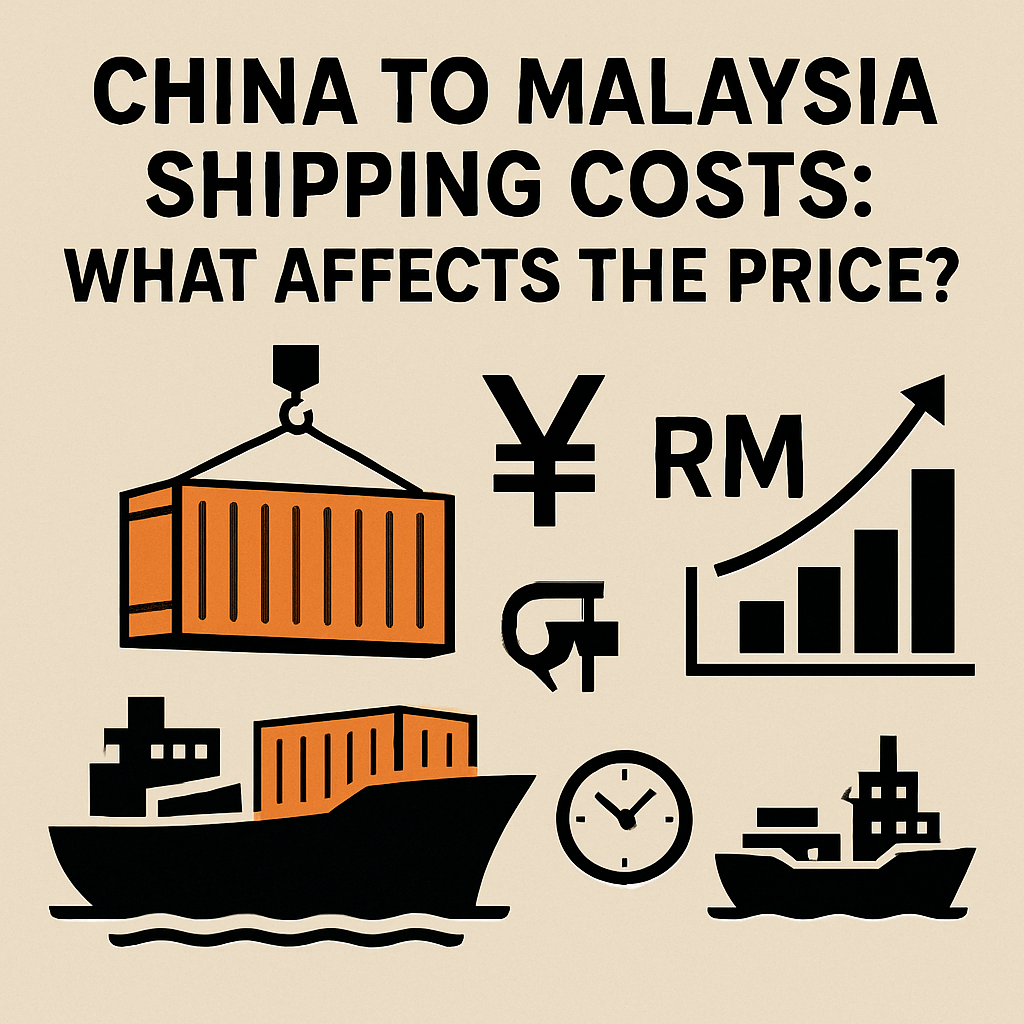
China to Malaysia Shipping Costs: What Affects the Price?
Introduction
For small business owners who source products from China, understanding the intricacies of the China to Malaysia shipping cost is pivotal. Shipping is more than simply moving products from one port to another—it’s a maze of variable expenses, fluctuating fees, and operational decisions that can make or break your bottom line. The journey from China’s dynamic manufacturing hubs to Malaysia’s thriving markets comes with challenges such as volatile freight rates, seasonal price surges, and regulatory complexities.
In this comprehensive guide, you’ll unlock the essential import cost factors influencing your shipping, get a clear comparison of freight rates Malaysia, and see real-world examples and data illustrating every critical detail. Whether you’re a first-time importer or an established SME looking to streamline operations, this article will empower you to navigate the shipping process with confidence, clarity, and cost-effectiveness.
What Determines China to Malaysia Shipping Cost?
Shipping costs are not set in stone. They fluctuate with global and local influences, logistics choices, cargo-specific parameters, and even timing. Below, we dive deep into the most significant factors impacting the total China to Malaysia shipping cost.
Shipping Modes: Sea Freight vs. Air Freight
Choosing between sea and air freight is the most impactful decision in your cost calculation. Here’s how each shapes your expenses:
Sea Freight
- Cost-Efficiency: Sea freight is often the preferred option for bulk shipments and heavy cargo, thanks to its lower per-unit cost compared to air.
- Transit Time: Shipments commonly take 8–14 days from major Chinese ports (such as Shanghai, Shenzhen, or Ningbo) to major Malaysian ports (Port Klang, Penang, Johor).
- Environmental Impact: Sea freight typically generates less carbon emissions per kilogram shipped than air freight.
Air Freight
- Speed: The clear choice when goods are urgent or highly perishable. Deliveries reach Malaysia in as little as 2–5 days.
- Higher Cost: Air freight rates can be four to ten times more expensive than sea, particularly for bulky items.
- Volume and Weight Limitations: Best for small, high-value, lightweight shipments.
Real-World Example: Tech SME’s Product Launch
A Penang-based electronics distributor needed to restock Bluetooth earbuds quickly for a seasonal sale. Choosing air freight, they paid $12 per kilogram to ensure delivery in 3 days. Simultaneously, their non-urgent inventory was shipped using sea freight at $950 per 20ft container, arriving in two weeks. The speed premium paid off—quick sales covered the express shipping cost, while the main stock arrived with favorable profit margins.
Cargo Volume, Weight, and Dimensions
Charges are not just about how heavy or bulky your goods are—they also depend on how carriers measure them.
- Sea Freight: Pricing is based on cubic meters (CBM) or full container load (FCL/LCL). For example, a 20ft container holds about 28 CBM, and a 40ft about 58 CBM.
- Air Freight: Calculated via chargeable weight, which takes the greater value between actual gross weight and volumetric weight (length x width x height in cm, divided by 6,000).
Example: Apparel vs. Machinery
A fashion boutique importing 1,000 t-shirts (relatively lightweight, high volume) pays based on the space occupied in the container (CBM), while a machinery importer pays based on both the weight and packing efficiency. For air, the light bulk of t-shirts might trigger volumetric charges, making sea freight noticeably more cost-effective.
Shipping Terms (Incoterms)
Incoterms are standardized rules that define responsibilities—who pays for what, up to which point, and who arranges which leg of the shipment. The three most common terms in China-Malaysia shipping are:
- FOB (Free On Board): Supplier manages costs until goods are loaded on the ship at the Chinese port. Buyer arranges and pays for all subsequent freight, insurance, and handling.
- CIF (Cost, Insurance, and Freight): Supplier pays main transport charges and insurance to the named Malaysian port. Buyer covers customs, taxes, and local delivery after arrival.
- EXW (Ex Works): Buyer handles all logistics from the supplier’s door, which can add complexity and potential hidden costs.
Example: EXW vs. FOB Costs
An importer purchasing water filters under EXW terms from a factory in inland China found themselves facing unforeseen domestic transport charges and China-side export documentation fees, which would have been covered under FOB. A switch to FOB simplified budgeting and negotiations, letting the buyer focus on freight rates and last-mile logistics in Malaysia.
Origin and Destination Ports
Where your goods depart from and arrive has a measurable impact on your freight rates Malaysia.
- Chinese Export Hubs: Ports like Shenzhen, Ningbo, and Shanghai offer the best connectivity and rates. Shipments from inland regions (e.g., Chengdu or Xi’an) incur added rail or truck transportation within China.
- Malaysian Import Ports: Port Klang is Malaysia’s primary container hub with the most vessel calls; Penang serves the north, and Johor’s Tanjung Pelepas supports southern Malaysia.
Example: Inland vs. Coastal Origin
A Sabah-based wholesaler sourcing electronics from inland China (Chongqing) paid $350 more per container for rail transport to Shanghai port compared to a competitor shipping directly from Guangdong.
Seasonality, Demand Surges, and Global Events
Shipping rates are heavily influenced by macro factors:
- Peak Shipping Seasons: Just before Chinese New Year, Golden Week, and festive periods, demand for shipping surges, reducing vessel space and dramatically increasing rates.
- Pandemics and Global Disruptions: COVID-19 led to record-breaking freight spikes, port congestion, and longer transit times.
Case Study: Seasonal Rate Fluctuations
A plasticware importer from Kuala Lumpur faced a steep freight rate increase in January 2023—$1,900 per container, nearly double the off-season price—due to a surge in pre-Chinese New Year shipments. By pre-booking space three months ahead for the following year, they locked in a rate of $1,100 per container and avoided last-minute scrambling.
Fuel Costs (Bunker Adjustment Factor)
Freight rates are dynamically linked to oil prices. Carriers add Bunker Adjustment Factor (BAF) surcharges to offset fluctuations in marine fuel costs. These surcharges can change quarterly or even monthly, causing unpredictable changes in sea shipping expenses.
Customs, Duties, and Taxes
- Malaysian Duties: Vary by product category (HS code). For instance, electronics may be duty-free, while footwear can incur 15–25% duty.
- SST (Sales/Service Tax): Most imports face 5% or 10% SST.
- Other Fees: Customs clearance, inspection fees, and port handling add to your overall cost.
Practical Example
A Sarawak SME importing furniture faced a 10% import duty, 6% SST, and RM320 (~$70) in port and customs processing fees—not calculated in their original procurement budget. Factoring such regulatory costs upfront is vital for accurate project pricing.
Insurance
While sea freight is generally reliable, cargo insurance shields you from damages, theft, container loss, or natural disasters. Full coverage (typically 0.3–0.5% of cargo value) is advisable, especially for high-value or fragile goods.
Recent Data and Statistics: A Transparent View
Understanding current numbers and trends is crucial for forecasting and negotiation.
Global Shipping Trends
- Container rates peaked at over $10,000 per forty-foot equivalent container (FEU) during Q2 2022, backed by port congestion and supply chain bottlenecks. By early 2024, rates normalized to $2,000–$3,000 for Asia–Southeast Asia lanes (UNCTAD, Freightos).
- Air cargo rates remained high but volatile, reflecting continued fluctuations in global demand and passenger flight restoration.
Malaysia-Specific Freight Rates
- Sea Freight: In Q1 2024, shipping a 20ft container from China to Port Klang averaged $900–$1,200. LCL rates for small consignments hovered around $80–$120 per CBM.
- Air Freight: Shipping 100–300 kg of consumer goods ranged from $8–$15/kg, while express shipments for urgent documents or samples reached $20/kg.
Import Cost Breakdown (Sample Calculation)
| Cost Item | Sea Freight (USD) | Air Freight (USD) |
|---|---|---|
| Freight/Transport | $950 | $3,800 |
| Insurance | $50 | $120 |
| Malaysian Import Taxes | $350 | $350 |
| Customs & Port Fees | $220 | $220 |
| Inland Transport (Malaysia) | $180 | $180 |
| Total (Sample shipment) | $1,750 | $4,670 |
This table reflects the full basket of shipping-related costs for a mid-sized order (apparel, about 10 CBM or 1,200 kg). Notice the stark cost contrast, mainly driven by mode and volume.
Real-World Stories: Successes and Lessons in Managing Shipping Costs
Case Study 1: Startup FashionCo’s First Imports
FashionCo, a Kuala Lumpur-based fashion retailer, ordered 500 dresses from Guangzhou. With a product launch around the corner and tight margins, they chose air freight for speed. The shipping bill exceeded RM 13,000 (about $2,900), which ate up almost half their gross margin.
What Happened Next: For subsequent restocks, they planned 6–8 weeks ahead and switched to LCL sea freight. Their average per-piece shipping cost fell by 65%. Today, FashionCo relies on a hybrid approach—air for limited-run, urgent launches and sea for regular low-cost stock replenishment.
Case Study 2: Diversifying During Covid Disruptions
A Johor-based importer of kitchenware was caught off guard when container rates spiked from $950 to over $2,700 in mid-2021 due to pandemic disruptions. They responded by:
- Pre-booking shipments 6–10 weeks ahead during peak periods.
- Adding alternative port options (Penang and Tanjung Pelepas) to access more available vessel space.
- Using consolidated LCL services to combine shipments with those from fellow importers, splitting handling fees.
This multifaceted approach reduced exposure to price shocks and supply chain snarls.
Anecdote: Leveraging Incoterms for Cost Control
A furniture SME in Penang initially ordered goods on CIF terms, only to find hidden handling and documentation charges at the Malaysian port. By switching negotiations to FOB, they gained the flexibility to select their preferred freight forwarder, reducing total costs by 15% over three shipments and achieving better transit visibility.
Detailed Comparison: Sea vs. Air Freight Rates Malaysia
Understanding your options means making an informed choice for every shipment:
| Criteria | Sea Freight | Air Freight |
|---|---|---|
| Cost | $850–$1,200 per 20ft container | $8–$15/kg for most cargo |
| Speed | 8–14 days | 2–5 days |
| Capacity | Excellent for large, heavy | Best for small, urgent, valuable |
| Reliability | Possible port/weather delays | Sensitive to flight schedules |
| Documentation | B/L, customs docs, insurance | Air waybill, customs docs |
| Environmental Impact | Lower per kg emissions | Higher per kg emissions |
| Best Use Case | Bulk, stable demand | Samples, fast turns, perishables |
Example: Electronics SME
A Klang Valley electronics business imported 200kg of smartwatches from Shenzhen. Their urgent shipment by air cost $2,600, arriving in 4 days. Meanwhile, bulk non-promotional models shipped by sea at just $290 for LCL (2.7 CBM), arriving in 12 days. By splitting their orders, they maximized both speed-to-market and overall cost efficiency.
Key Import Cost Factors: Comprehensive Checklist
Every successful shipment requires a focused approach to import cost factors. Here’s a checklist to guide your planning:
- Product Weight, Dimensions, and Packaging: Analyze how packaging (cartons vs. pallets) and cargo shape affect usable space and cost.
- Origin and Destination: Consider if your sourcing city adds rail/truck fees to reach the main export port.
- Delivery Terms (Incoterms): FOB is most popular, but double-check anyone offering CIF/EXW for hidden fees.
- Type and Value of Goods: High-value goods may benefit from air shipping despite higher costs.
- Regulatory Compliance: Does your product require import permits, certifications (electronics, food), or special handling?
- Duties, SST, and Other Fees: Always verify HS codes using the Malaysia Customs Tariff to prevent unpleasant surprises.
- Insurance Coverage: Especially for fragile, temperature-sensitive, or high-value cargo.
- Freight Forwarder Fees: Documentation, handling, customs clearing, packaging, and delivery charges should be specified in advance.
- Peak Season Planning: Shipping during holidays can cost significantly more—plan and book accordingly.
- Consolidation Potential: If importing small volumes repeatedly, group orders into a single shipment.
How to Optimize Your China to Malaysia Shipping Cost
Small business owners have more control over shipping expenses than they might think. Here’s a step-by-step approach to optimize costs:
Step 1: Choose the Right Freight Mode
- Use sea freight for shipments above 2 CBM or when lead times are flexible.
- Choose air freight for urgent orders weighing under 300 kg with high value-to-weight ratio.
Step 2: Evaluate and Negotiate Shipping Incoterms
- Favor FOB for maximum control, or CIF if you lack logistics experience but beware of port-side charges in Malaysia.
- Clarify every inclusion—ask for all-in breakdowns to spot hidden fees.
Step 3: Estimate Duties and Taxes in Advance
- Use Malaysia’s Customs Tariff (available online) with your product HS code.
- Consult seasoned customs brokers for complex or high-value imports.
Step 4: Obtain and Compare Multiple Quotes
- Gather at least three “all-in