“`html
Alibaba, 1688, Taobao: How to Ship to Malaysia Safely—A Step-by-Step Guide for Small Business Owners
Table of Contents
- Understanding China Sourcing for Malaysian Businesses
- Platforms Overview: Alibaba, 1688, and Taobao
- Shipping Options: Express, Air, and Sea Freight
- Step-by-Step: How to Ship from China to Malaysia
- 1688 and Taobao Shipping Malaysia: Special Considerations
- Choosing a Reliable Freight Forwarder or Agent
- Customs, Duties, and Taxes
- Cost Analysis: Shipping Rates and Budgeting
- Success Stories and Customer Experiences
- Actionable Tips and Troubleshooting
- Frequently Asked Questions (FAQ)
- Conclusion: Making China Sourcing Work for You
1. Understanding China Sourcing for Malaysian Businesses
China is widely recognized as the world’s manufacturing powerhouse, offering Malaysian entrepreneurs a level playing field when competing with local giants and big retailers. As Malaysia continues to strengthen its trade relationship with China, more small business owners are realizing the value in sourcing directly from Chinese suppliers using platforms such as Alibaba, 1688, and Taobao.
The Business Case for Sourcing from China
Millions of Malaysian SME owners, from e-commerce sellers to physical store operators, rely on Chinese products for the following reasons:
- Price Advantage: Chinese suppliers offer items at up to 50% cheaper than local wholesalers due to economies of scale and a highly competitive supplier environment.
- Endless Variety: Whether you’re seeking specialized auto parts, electronic gadgets, kitchenware, or the latest fashion trends, China is the world’s go-to for product diversity.
- Business Scalability: With low MOQs, businesses can trial new lines before investing in large quantities, minimizing risk.
Example:
Azizah, who runs an online hijab business in Klang, initially bought fabrics from local wholesalers. After discovering she could import from 1688 at a fraction of the cost, she expanded her product line by offering custom-printed designs, doubling her e-commerce sales in just six months.
Common Challenges
Despite these opportunities, Malaysian SMEs face significant challenges:
- Language Barriers: 1688 and Taobao run predominantly in Mandarin, making navigation tough for non-speakers.
- Shipping Logistics: Understanding Incoterms, freight consolidation, and customs procedures is daunting for newcomers.
- Risk of Scams or Disputes: Verifying suppliers and navigating payment and shipping security is essential.
2. Platforms Overview: Alibaba, 1688, and Taobao
Before deciding how to ship from China to Malaysia, it’s critical to choose the right sourcing platform to suit your business needs.
Alibaba
Key Features:
- International Audience: Available in English and several other languages, it targets buyers worldwide.
- Supplier Verification: Provides business verification and Trade Assurance, reducing the risk of fraud.
- Built-In Logistics: Many suppliers offer direct international shipping to Malaysia using reputable couriers or forwarders.
- MOQ Flexibility: While typically larger than Taobao, more suppliers are flexible for first-time buyers.
When to Use Alibaba:
- When you require bulk quantities.
- When you desire direct communication and built-in buyer protection.
- For items requiring private labeling or customized solutions.
Case Example:
Farid, a Klang Valley food container wholesaler, switched to Alibaba to source his own branded lunch boxes, customizing size and logo. He quickly grew from small starts to a regular monthly shipment through established Alibaba logistics partners.
1688
Key Features:
- Domestic Platform: Focuses on China’s domestic market, often showing the lowest market prices.
- Mandarin Language: Entirely in Chinese; Malaysian buyers commonly rely on translation tools or agents.
- Lowest MOQs: Easy to purchase small trial quantities.
Limitations:
- No international shipping out of the box.
- Requires Chinese address—usually your forwarder’s or agent’s warehouse.
When to Use 1688:
- When cost is your absolute focus.
- For testing new products in small batches.
- When sourcing generic, unbranded products.
Case Example:
Jane, who runs a stationery shop in Penang, switched to 1688 for purchasing new pen models. Saving over 45% in costs, she improved her shop’s competitiveness and customer variety.
Taobao
Key Features:
- B2C and Small B2B Friendly: Ideal for trends, samples, or limited quantity buys.
- Domestic Focus: Similar to 1688, but targets end-consumers with a user-friendly app and regular sales.
- Low MOQs & Wide Range: Great for rapid testing or stocking in-demand social media trends.
Limitations:
- Mandarin-only and China domestic logistics.
- Must use third-party forwarding for Malaysia delivery.
Case Example:
Melissa runs an Instagram-based boutique in Kuala Lumpur. She follows Chinese influencers for the latest fashion, then sources trending pieces on Taobao monthly, using a local agent to consolidate and forward goods to Malaysia, which gives her first-mover advantage at each launch.
Platform Comparison Table
| Feature | Alibaba | 1688 | Taobao |
|---|---|---|---|
| Target Market | Global (B2B) | Chinese business | Chinese consumers |
| Language | English, multi. | Mandarin only | Mandarin only |
| MOQ | Medium-High | Low | Very Low |
| International Shipping | Yes (some sellers) | No | No |
| Buyer Protection | High (Trade Assurance) | Very low | Very low |
| Payment Flexibility | High | RMB-only | RMB-only |
3. Shipping Options: Express, Air, and Sea Freight
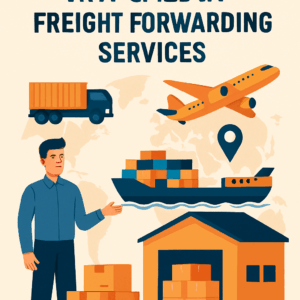
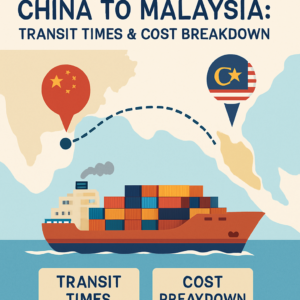
With your products sourced, the next hurdle is deciding how to ship from China to Malaysia efficiently, safely, and cost-effectively. Let’s break down your options:
1. Express Courier Services
How It Works:
Major couriers pick up goods directly from the supplier’s warehouse in China, taking care of customs, insurance, and door-to-door delivery in Malaysia.
Pros:
- Fastest delivery (as quick as 3 days for major cities).
- Tracking and insurance included.
- Simplified customs process for shipments below RM500 (as of 2024).
Cons:
- Price per kilogram is high for anything above 20kg.
- Volumetric weight pricing applies for large but light packages.
Use Case:
E-commerce sellers in Kuala Lumpur sourcing jewelry or gadgets for quick turnarounds find that using DHL Express eliminates delays and ensures product safety, crucial for customer satisfaction.
2. Air Freight
How It Works:
Suitable for medium-size loads (usually 21kg–500kg), goods are flown as cargo, then cleared and delivered from Malaysian airports.
Pros:
- Better per kg pricing than express for mid-weight cargo.
- Faster than sea for moderately urgent goods.
Cons:
- More paperwork; customs clearance can be complex.
- You might need to collaborate with a customs broker.
Ideal For:
Businesses who need quick restocking of popular items (like health supplements or electronics) but at a controlled cost.
3. Sea Freight (LCL and FCL)
How It Works:
LCL (Less than Container Load): Your goods share space in a container, spreading shipping costs with other buyers.
FCL (Full Container Load): For bigger businesses or group buys, dedicated 20/40-foot containers can be arranged.
Pros:
- Lowest cost per kg/CBM for anything over 100kg or bulky cargo.
- Flexible consolidation options—combine purchases from many suppliers into one shipment.
- Suitable for regular, predictable stock flows.
Cons:
- Slow: Typically 2–4 weeks depending on port congestion and ship schedules.
- Requires planning for customs and local haulage.
Example:
A Sarawak-based furniture business imports tables and chairs via sea freight LCL from Guangdong, slashing shipping costs to just RM7/kg, while consolidating with other Malaysian SMEs to meet minimum LCL charges.
Shipping Method Selection Table
| Needs / Criteria | Recommended Option |
|---|---|
| Small, urgent parcels | Express Courier |
| Mid-size, cost-conscious | Air Freight |
| Bulk, low-cost | Sea Freight (LCL/FCL) |
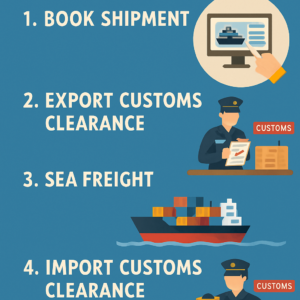
4. Step-by-Step: How to Ship from China to Malaysia
Shipping success is all about good preparation, secure payments, and clear communication with both your suppliers and logistics partners. Here’s a comprehensive walkthrough:
Step 1: Select and Vet Your Supplier
- On Alibaba: Use filters for Gold Suppliers and those with Trade Assurance. Check company profiles, product certifications, and recent buyer reviews.
- On 1688 or Taobao: Search for suppliers with high transaction volumes, consistent star ratings, and verified business credentials.
Tip: Always request live product or factory videos to verify authenticity.
Step 2: Confirm All Product and Order Details
- Confirm specs (size, color, material), packaging, price breakdown, MOQs, sample policies, and expected production/delivery times.
- Ask about after-sales service or warranty, especially for electronics.
Step 3: Decide on Shipping Incoterms and Mode
- EXW (Ex-Works): Supplier only preps goods at their warehouse; you and your agent handle everything else.
- FOB (Free on Board): Supplier delivers to designated port.
- CIF/DDP: Price includes shipping, insurance, and (sometimes in DDP) door-to-door delivery with customs prepaid.
For beginner importers, DDP is the safest—but costlier. For seasoned or bulk buyers, EXW with a trusted forwarder gives best value.
Step 4: Secure Payment
- Alibaba: Supports T/T, PayPal, credit card, and Trade Assurance. Trade Assurance is best for new buyers, as funds are held until goods are received.
- 1688/Taobao: Only RMB is accepted. Use a Malaysia-based payment agent or services like Superbuy, Zunbao, or selected WeChat Pay channels with a Malaysian intermediary.
Case:
Suppandi in Johor Bahru pays his 1688 orders through a local agent, who handles RMB conversion and ensures payment to supplier only upon goods reaching the shipping warehouse.
Step 5: Arrange Consolidated Shipping/Forwarding
For Alibaba:
- Opt for supplier-offered shipping, or appoint your own forwarder.
- If using multiple suppliers, consider third-party consolidation in China.
For 1688/Taobao:
- All goods are delivered to the warehouse address provided by your agent.
- Agent consolidates, re-packages, and ships to Malaysia via air or sea.
- You receive tracking, invoice, and estimated delivery.
Step 6: Track and Receive Shipments
- When booking, always request tracking numbers, warehouse photos, and inventory manifests before goods leave China.
- For valuable items, consider shipment insurance.
Example:
A Seremban-based electronics distributor uses Superbuy to aggregate orders from 5 different Taobao shops, tracking each batch by order code for accuracy. This minimizes loss and short shipments.
5. 1688 and Taobao Shipping Malaysia: Special Considerations
Sourcing from 1688 and Taobao introduces unique challenges compared to Alibaba, especially regarding international logistics.
Choosing a Sourcing Agent or Forwarder
- Role of Agent: Acts as your local representative in China, collects goods from sellers, checks them for defects, and arranges onward freight to Malaysia.
- Services Provided: Payment, repacking, quality checks, consolidation, shipment insurance, customs declarations.
- Agent Fees: Usually a percentage of purchase value (often 3%-8%).
Popular 1688 Shipping Malaysia Agents:
- CIEF Worldwide: Known for reliability, transparent pricing, and multi-channel tracking (WeChat/WhatsApp).
- SUGOOD and Zunbao: Established agent networks with warehousing in major Chinese cities.
Case Study: Sourcing from 1688 with an Agent
Eddy, a home improvement retailer from Melaka, wanted to buy 30 varieties of LED lighting from over a dozen 1688 suppliers. Using CIEF, he sent each supplier’s goods to CIEF’s Guangdong warehouse, had photos taken at arrival, and received a consolidated air freight shipment within two weeks—without speaking a word of Mandarin.
Reducing Risks with Agents
- Select agents with a proven history, proper business registration, and public testimonials.
- Never pay full order value upfront; use escrow services or staged payments if possible.
6. Choosing a Reliable Freight Forwarder or Agent
The success or failure of your