“`html
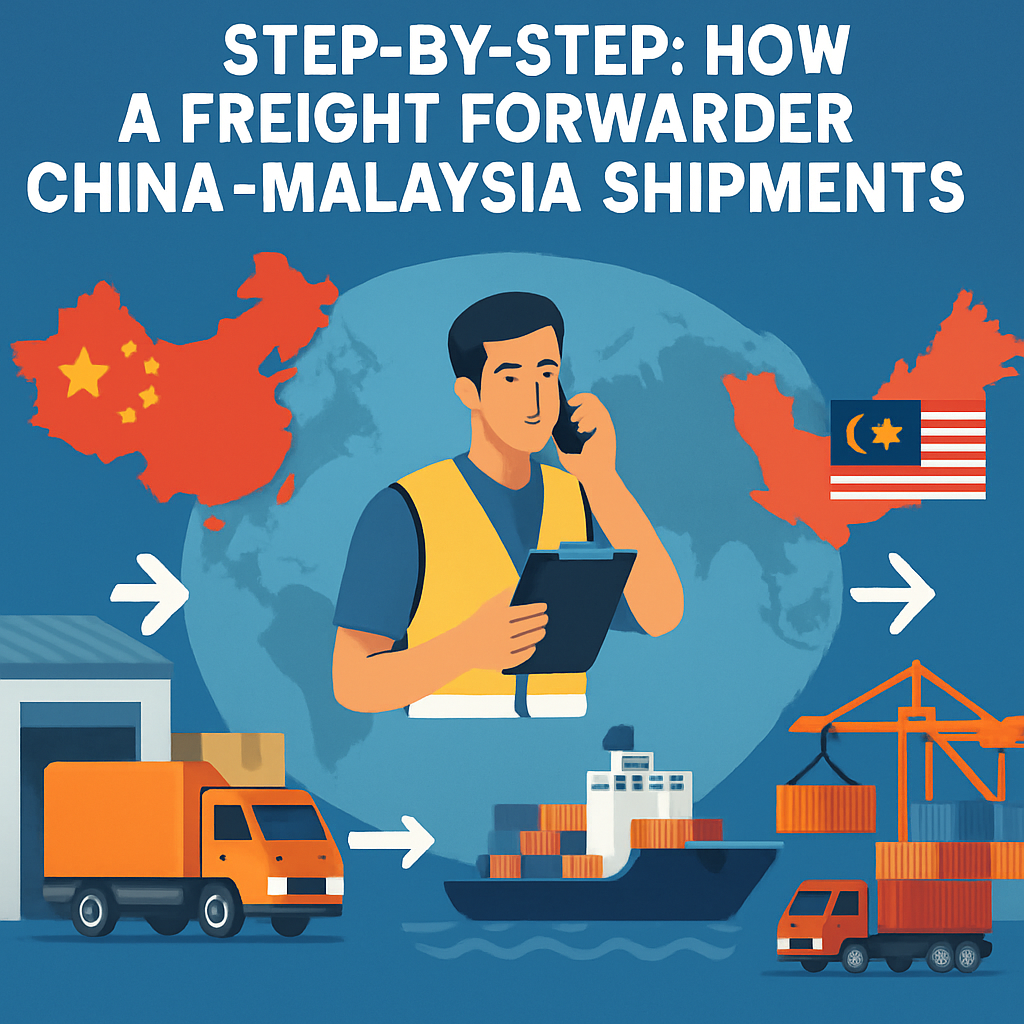
Step-by-Step: How a Freight Forwarder Handles China–Malaysia Shipments
International shipping is a crucial link in the supply chain for many small business owners in Malaysia. If you’re looking to import goods from China, the process may seem daunting, riddled with complex logistics, regulations, and communication barriers. However, with a skilled China to Malaysia freight forwarder by your side, even the most complex cross-border shipment can proceed smoothly and efficiently. This comprehensive how-to guide unpacks each step of the China–Malaysia freight forwarding process, spotlighting practical examples, success stories, and actionable tips to empower your business and optimize your logistics strategy.
Table of Contents
- Understanding Freight Forwarding from China to Malaysia
- Why Use a Freight Forwarder? Key Benefits for Small Businesses
- Step-by-Step: The China–Malaysia Shipping Process
- Import Agent Malaysia: The Essential Middleman
- Risks and Challenges in the China–Malaysia Supply Chain
- Choosing the Right Logistics Company Malaysia
- Success Stories: SMEs Winning with Freight Forwarders
- Frequently Asked Questions (FAQs)
- Final Tips: Streamlining Your China–Malaysia Shipments
- Conclusion
Understanding Freight Forwarding from China to Malaysia
The Growing Trade Corridor
China and Malaysia have developed a robust trade corridor, with Malaysia ranking among China’s top trading partners in ASEAN. According to ASEAN Statistics, trade volume between the two countries reached over USD 190 billion in 2023, and much of this trade is powered by small-to-medium enterprises (SMEs) leveraging China’s vast manufacturing capacity.
What Is a Freight Forwarder?
A freight forwarder acts as an intermediary, coordinating the transportation of goods between suppliers in China and buyers in Malaysia. Their services are far-reaching:
- Organizing cargo booking and scheduling shipments
- Managing customs clearance at both origin and destination
- Handling warehousing, packing, and inland transportation
- Arranging for cargo insurance and tracking
- Advising on regulatory compliance and documentation requirements
Freight forwarders are not just transport middlemen—they’re logistics strategists, risk managers, and operational partners.
Example: The Invisible Hand
Consider Mr. Lim, a Johor-based SME owner who imports custom packaging from Guangzhou. Before hiring a China to Malaysia freight forwarder, he struggled with delayed shipments and costly compliance errors. His chosen partner now handles every stage—liaising with the supplier in Mandarin, booking space on reliable vessels, overseeing paperwork, and delivering directly to his warehouse in Johor Bahru, resulting in smoother operations and fewer headaches.
Why Use a Freight Forwarder? Key Benefits for Small Businesses
Importing independently can be overwhelming, especially with rapidly changing trade regulations, language barriers, and logistical nightmares. Here’s how working with freight forwarding Malaysia agents can transform your importing experience:
1. Cost Efficiency and Consolidation
- Shared Container Loads: SMEs with small shipment volumes benefit from LCL (Less than Container Load) services, sharing container space and reducing per-unit shipping costs.
- Bulk Discounts: Forwarders aggregate shipments, securing better rates from carriers.
Real Example: A Penang electronics retailer was paying high airfreight for small, frequent shipments. Switching to a freight forwarder allowed him to consolidate orders into monthly sea freight shipments, lowering shipping costs by 40% and improving margins.
2. Time Savings
- Single-Window Service: Forwarders handle everything—from order pickup to final customs clearance.
- Expert Navigation: Skilled agents circumvent delays and minimize red tape.
Statistical Insight: A 2022 Statista report found that 75% of SMEs globally use third-party logistics providers—freight forwarders—primarily to save time and reduce operational stress.
3. Risk Reduction
- Insurance and Secure Handling: Reputable freight forwarders ensure goods are insured and packaged securely.
- Customs Compliance: Experienced agents keep abreast of changing regulations, reducing the risk of seizure, delays, or penalties.
4. Enhanced Visibility
- Tracking: Many providers offer digital dashboards and shipment tracking.
- Transparent Communication: Regular updates reduce uncertainty and build trust.
5. Local Expertise
- Import Agent Malaysia: Local experts manage customs, taxes, and on-ground logistics in Malaysia, eliminating surprises at the port or final delivery stage.
Practical Example:
When Malti, an online homeware seller in Kuala Lumpur, decided to import ceramic mugs from Jingdezhen, her initial shipment was flagged by Malaysian customs for incorrect tariff codes. Switching to a freight forwarding Malaysia partner with a robust documentation process got her shipments through customs without issue and saved significant reprocessing costs.
Step-by-Step: The China–Malaysia Shipping Process
The following stages outline how a China to Malaysia freight forwarder streamlines every aspect of your import journey:
1. Initial Consultation and Need Assessment
Detailed Needs Analysis
- Product Assessment: The freight forwarder evaluates your goods, including size, weight, value, and fragility.
- Budget & Timeline Review: Your deadlines and cost constraints are discussed.
- Customs Risk & Regulatory Review: Special considerations for restricted, controlled, or sensitive items.
Example Scenario
Siti, a Selangor-based entrepreneur, wished to import tea infusers. Her initial attempt failed due to a lack of import licensing. Her forwarder not only identified the need for food-contact certification but proactively managed the permit process, ensuring future batches cleared customs without delays.
Tip:
Prepare comprehensive product data—HS codes, exact weights, values, and supplier information—before meeting your freight forwarder. Accurate info saves time and avoids costly mistakes.
2. Choosing Shipping Modes and Services
Modes Available
- Sea Freight
- FCL (Full Container Load): Suitable for larger shipments.
- LCL: Ideal for SMEs needing smaller, consolidated loads.
Example: Importing 200 cartons of toys? LCL saves costs compared to booking an entire container.
- Air Freight
- Faster but costlier; used for perishable, high-value, or urgent goods.
Example: A beauty products distributor in Kuala Lumpur uses air for premium serums but sea for bulk packaging supplies.
- Courier/Express Services
- For very small, time-sensitive packages.
Example: A Sabah-based online shop uses DHL Express for urgent, high-value jewelry samples.
Decision Drivers
- Cost vs. Speed: Air is fast but expensive; sea is slower but economical.
- Nature of Goods: Fragility, shelf-life, or regulatory requirements may dictate mode.
Input from Logistics Company Malaysia
Top logistics company Malaysia agents provide comparative analysis:
- Detailed quotes for each shipping method
- Transit times, insurance options, and risk assessments
Case Study: The Price/Time Balance
Wong Industries obtained urgent auto parts within three days via air freight, facilitated by a proactive freight forwarding Malaysia partner, after analyzing the prohibitive costs and missed contractual deadlines of sea freight delivery.
3. Supplier Coordination & Cargo Consolidation
Supplier Engagement
Your forwarder’s role includes:
- Liaising directly with your Chinese supplier (often in local language)
- Arranging product inspection or factory pickups
- Verifying cargo readiness and packaging adequacy
Cargo Consolidation
- Combining products from multiple suppliers into a single shipment, saving on shipping and customs entry fees.
- Arranging interim warehousing in China if shipment consolidation across suppliers is required.
Example: Sara, importing electronic gadgets from three Shenzhen suppliers, worked with her forwarder to consolidate goods in a warehouse near Yantian port. This reduced her shipping costs by 22% and minimized her risk of split deliveries getting delayed.
Reducing Supply Chain Complexity
Handling multiple suppliers and variable lead times can quickly become chaotic. A competent import agent Malaysia or forwarder orchestrates communication, timelines, and documentation—preventing costly missteps.
4. Customs Documentation & Compliance
Key Documents
Every China–Malaysia shipment requires:
- Bill of Lading/Airway Bill
- Commercial Invoice
- Packing List
- Certificate of Origin (when required)
- Import Licenses, SIRIM/Halal/MITI certificates for applicable goods
Avoiding Mistakes
Errors or omissions can cause:
- Significant port delays
- Fines or even cargo confiscation
Real-World Example:
A Perak-based LED lighting importer suffered a week-long delay due to an outdated form and incorrect product HS code. After switching to a logistics company Malaysia with in-house customs expertise, all subsequent shipments cleared in under 36 hours.
Proactive Compliance
Reputable freight forwarding Malaysia providers:
- Double-check all documents before departure
- Advise on the correct HS code, product labeling, and country-specific regulations
- Manage digital document submissions for faster customs clearance
5. Shipping Execution: Sea or Air Freight
Loading and Departure
- Packing: Proper crate or palletization to avoid in-transit damage.
- Labeling: Ensuring all labels conform to carrier and customs requirements.
- Booking: Securing space on the vessel or flight, monitoring ETD/ETA (Estimated Time of Departure/Arrival).
In-Transit Management
- Tracking: Regular updates to the client.
- Contingency Planning: Alternate routing or emergency handling in case of disruptions (strikes, weather, geopolitical risks).
Example Case:
Kedai Teknologi, importing 15 pallets of CCTV systems, relied on their import agent Malaysia to book space on an alternative vessel when their original ship was delayed at Shanghai port, avoiding weeks of downtime for their projects.
Insuring Shipments
Insurance is often overlooked—until it’s needed. Freight forwarders help clients select cargo insurance options appropriate for their shipment value and risk profile.
6. Customs Clearance in Malaysia
Arrival and Entry
Upon arrival at Port Klang, Tanjung Pelepas, Penang Port, or KLIA, the following occurs:
- Document Submission: Electronic filing with Malaysia’s Royal Customs Department (JKDM).
- Duty Calculation: Calculation and payment of import duty, VAT/SST, and related fees.
- Physical Inspections: Random or risk-triggered inspections for restricted goods.
Role of Import Agent Malaysia
- Manages all customs processes
- Pays taxes and arranges for necessary certifications (SIRIM for electronics, Halal for food)
Efficiency Example
According to Malaysian Customs, 92% of import clearances are now electronic, with streamlined documentation resulting in average clearance times of under three days for compliant shipments.
Problem-Solving
If a shipment is detained:
- The import agent Malaysia communicates with customs, clarifies discrepancies, and arranges for any additional payments or documentation needed.
- This minimizes storage costs and release times.
7. Delivery to Final Destination
Last-Mile Logistics
- Trucking Services: Arranging for delivery to warehouses, retail stores, or customer locations.
- Unloading and Inventory Support: Some logistics company Malaysia providers offer inventory checking and warehouse management.
Real-World Illustration
A boutique home decor company received a container of fragile glass vases via its freight forwarder’s in-house trucking division. Careful last-mile management prevented damages and enabled direct shelf-stocking within hours of customs clearance.
Mistake Prevention
Choosing a forwarder with full visibility over last-mile delivery reduces loss, damage, and theft risk. Always confirm final delivery arrangements with your Malaysia-based agent.
Import Agent Malaysia: The Essential Middleman
Key Functions
- Local Regulatory Knowledge: Deep understanding of customs procedures, licensing, and local taxes (such as SST).
- Language & Cultural Bridge: Communicates effectively with Chinese factories and Malaysian regulators.
- On-Ground Problem Solving: Quickly resolves delivery hiccups or customs questions.
Value Example
A Petaling Jaya import agent Malaysia flagged an issue with a halal food shipment’s paperwork, proactively arranged for last-minute certification, and avoided a costly return-to-origin incident.
Criteria for Choosing a Skilled Import Agent
- Track record with similar product categories
- In-house compliance and legal advisory teams
- Well-reviewed by other small business