“`html
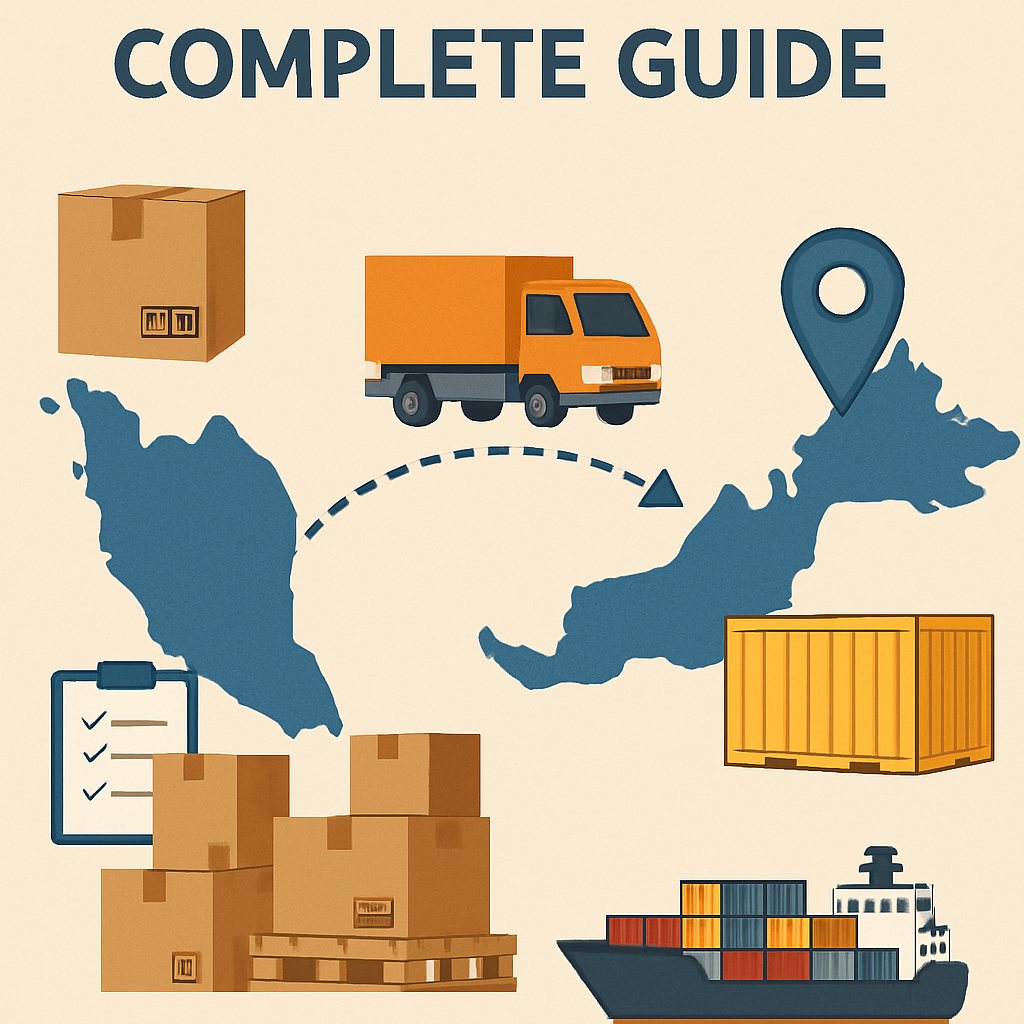
How to Ship Goods from West Malaysia to East Malaysia: Complete Guide
Shipping goods from West Malaysia (Peninsular Malaysia) to East Malaysia (Sabah and Sarawak) is a crucial undertaking for small business owners looking to expand their market reach or better serve customers across Malaysia. With the booming e-commerce landscape and a growing demand for cross-regional trade, mastering the intricacies of West to East Malaysia shipping is essential for business growth and customer satisfaction.
If you’re a small business owner aiming to refine your Malaysia logistics strategy, this in-depth guide will provide everything you need—from a clear breakdown of shipping methods to crucial documentation tips, regulatory insights, real-world examples, and actionable advice drawn from actual entrepreneurs’ experiences. Let’s chart your path to efficient shipping from the Peninsula to Borneo!
Table of Contents
- Understanding the West to East Malaysia Shipping Landscape
- Main Shipping Routes and Modes
- Shipping to Sabah: Considerations and Challenges
- Shipping to Sarawak: Special Factors
- Key Malaysia Logistics Guide: Step-by-Step Process
- Regulatory Requirements and Documentation
- Cost Structure and Factors Affecting Shipping Rates
- Customer Stories: Lessons from Successful Eastbound Shippers
- Practical Tips for Smooth West to East Malaysia Shipping
- Frequently Asked Questions (FAQs)
- Conclusion: Your Next Steps
1. Understanding the West to East Malaysia Shipping Landscape
The Backbone of Malaysia’s Domestic Trade
Trade between West Malaysia and East Malaysia is a critical element of the country’s economic framework. Intra-Malaysia trade, as reported by the Department of Statistics Malaysia, exceeded RM 17.22 billion in 2022, and this figure continues to grow as more small businesses leverage national demand.
Unique Geographical Challenges
Shipping between Peninsular (West) Malaysia and Borneo (East Malaysia, which includes Sabah and Sarawak) presents unique logistical hurdles not found in domestic shipping within either region. Instead of road or rail, goods must cross the South China Sea, making sea and air freight essential.
Notable Differences in Shipping to Sabah and Sarawak
- Limited Entry Ports: Goods must enter via established main ports—Kota Kinabalu for Sabah, and Kuching for Sarawak.
- Multi-modal Infrastructure Needed: Final mile delivery often includes secondary sea routes, river transport (especially in Sarawak), or overland trucking from ports.
Real Business Insight
Ahmad, a shoewear brand owner from Klang, shared:
“Initially, I underestimated the time and meticulous paperwork involved. Delayed shipments made me realize that Borneo is a different playing field—a delay in one step often holds up the entire process!”
2. Main Shipping Routes and Modes
Sea Freight: The Primary Workhorse
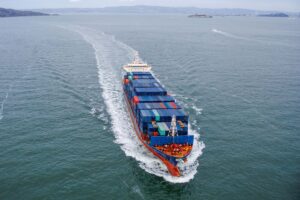
For most West to East Malaysia shipping needs, sea freight is the prevalent mode, offering the best cost efficiency for bulk and non-urgent goods.
Major Shipping Ports
- Origin (West Malaysia): Port Klang, Penang Port, Pasir Gudang (Johor)
- Destinations (East Malaysia):
- Sabah: Kota Kinabalu, Sandakan, Tawau
- Sarawak: Kuching, Sibu, Bintulu, Miri
Characteristics
- Transit Time: Typically 4–8 days port-to-port; up to 10 days including customs clearance and onward transport.
- Shipment Types: Full containers (FCL), less than container load (LCL), pallets, or bulk items.
- Recommended For: Large, heavy, or non-perishable goods; retailers with predictable inventory needs.
Example
A Sarawak bookstore imports textbooks quarterly using LCL sea freight, saving up to 70% compared to air freight while planning enrollments in advance.
Air Freight: Speed for the Urgent or Valuable
When time is of the essence, air freight is ideal. While more expensive, it guarantees delivery within 1–2 days for most destinations.
Key Airports
- Departure: Kuala Lumpur International Airport (KLIA), Penang International Airport
- Arrival: Kota Kinabalu International Airport, Kuching International Airport, Miri Airport
Use Cases
- Urgent resupply (e.g., medical goods or high-value electronics)
- Perishable items (food, pharmaceuticals)
Real-World Example
During COVID-19, a Klang Valley electronics importer used air freight for batteries in order to fulfill promised delivery timeframes to Sarawakian customers, maintaining business continuity despite higher costs.
Multimodal Solutions
Large logistics players increasingly offer flexible multimodal services, combining sea, air, and ground where necessary for speed and efficiency.
Courier Services
- Small packages: Providers like Pos Malaysia, J&T Cargo, and DHL serve the e-commerce sector well with door-to-door service and digital tracking.
- Limitations: Weight, size, and certain product restrictions may apply.
3. Shipping to Sabah: Considerations and Challenges
Sabah’s business landscape presents a blend of urban markets like Kota Kinabalu and remote interior towns, each with unique requirements for efficient shipping.
Key Shipping Considerations for Sabah
The Cabotage Policy and Shipping Lines
Malaysia’s cabotage policy formerly restricted non-Malaysian vessels in domestic shipping, but reforms have opened more direct foreign ship access. However, most regional supply still relies on established domestic lines, which can affect scheduling and rates.
Customs Nuances
- Some goods (electronics, chemicals, rubber products) may have different labeling or declaration needs.
- Entry-point clearance procedures and import duties can be stricter than in Peninsular Malaysia for certain categories.
Last-Mile Delivery
Once at Kota Kinabalu or another port, distribution to towns like Sandakan, Lahad Datu, or Kudat often requires further overland or coastal transport. Unpredictable weather and road conditions are additional variables.
Case Study: Electrical Appliance Distributor
A Kuala Lumpur-based SME that distributes appliance parts to Sabah recounted:
“Shipments to KK usually go smoothly, but moving goods to Tawau or remote towns adds 2–5 extra days. Careful inventory planning is critical, and we always maintain emergency stock on site.”
4. Shipping to Sarawak: Special Factors
Sarawak’s sheer size—home to diverse cities, towns, and rural settlements—demands a tailored approach to logistics.
Geographic Challenges
- Riverine Transport: Major towns like Sibu and Kapit depend on riverboats for final delivery, especially during monsoon seasons when rural roads may be impassable.
- Jungle Terrain: Many settlements are accessible only by boat or light aircraft, influencing the cost and time for goods to reach end customers.
Sarawak’s Distinct Regulatory Environment
- State Import Guidelines: Sarawak maintains additional restrictions around wood products, alcohol, pork, and petroleum derivatives.
- Permits and Health Certificates: Food, agricultural, and pharmaceutical shipments usually require pre-approved documentation at entry.
Example: Organic Skincare Brand
A Penang startup exporting natural balms learned the hard way:
“We missed a holiday sales window because organic product ingredients required extra customs declarations in Sarawak—even though our documents were in order for West Malaysia! Lesson learned: always get a local freight partner to pre-check requirements.”
5. Key Malaysia Logistics Guide: Step-by-Step Process
This step-by-step Malaysia logistics guide offers a clear path from order to delivery for small business owners:
Step 1: Select the Right Shipping Partner
- Assess specialization: Does your potential provider routinely handle West to East Malaysia shipping and understand Sabah/Sarawak requirements?
- Compare services: Some logistics companies excel in express delivery but may lack network infrastructure for rural areas.
Step 2: Prepare Documentation
- Commercial Invoice & Packing List: Accurate description, weight, value, and harmonized codes.
- Consignment Note (Airway bill or Sea bill of lading)
- Import Permits/Authorizations: Especially for regulated goods (see below).
- Supporting Certificates: Halal, health, plant/animal import certificates if required.
Step 3: Package Goods Securely
- Use durable boxes and waterproof protection. West to East Malaysia shipping involves significant handling; weatherproofing protects your goods during sea voyages.
- Clear labelling: Include recipient information, destination region (“Sabah” or “Sarawak”), and handling instructions in English and Malay.
Step 4: Booking and Pickup
- Arrange with provider: Ensure your shipment’s cut-off schedule matches provider timelines—missing a sea freight departure could add 3–4 days to delivery.
- Tracking setup: Opt for providers with shipment tracking for peace of mind.
Step 5: Customs Clearance
- Provider handles: Most large couriers and freight forwarders process customs forms, but responsibility for correct information is yours.
- Double-check paperwork: Errors are the top cause of costly delays.
Step 6: Final Delivery and Customer Notification
- Tracking and updates: Use real-time tools to trace your shipment and proactively inform your consignee about arrival times or issues.
- Proof of delivery: Ensure completion for B2B or B2C consignments.
Additional Tip: Partner with Regional Hubs
Some small businesses use third-party fulfillment centers in East Malaysia to stock and ship within Sabah or Sarawak, reducing transit times and costs for end customers.
6. Regulatory Requirements and Documentation
Understanding and satisfying regulatory and documentation standards is non-negotiable for smooth West to East Malaysia shipping.
Tax and Duty
- SST Implications: Generally, goods shipped between West and East Malaysia are not double-taxed, but reviewing specific SST treatment for your product is recommended.
- State Import Duties: Sabah and Sarawak sometimes impose additional state-specific levies on alcohol, tobacco, and vehicles.
Required Documentation Checklist
- Invoice & Packing List
- Consignment Note/Waybill
- Import permit (if needed)
- Certificate of Origin (for agri/food items)
- Special Certificates: e.g., health or halal certificates
Common Pitfalls
According to a 2023 logistics survey, nearly 30% of Borneo-bound shipments are delayed due to errors or omissions in customs declarations or incomplete permits.
Scenario: Delayed Electronics Shipment
A Selangor electronics retailer shipped mobile phones to Kuching, but forgot to attach the SIRIM (Standards and Industrial Research Institute of Malaysia) approval for wireless devices. The entire batch was held for a week in customs, causing customer dissatisfaction and added costs.
Tip: Always verify latest documentation needs either through the official customs websites or with your logistics provider before shipping.
7. Cost Structure and Factors Affecting Shipping Rates
Shipping costs between West and East Malaysia are influenced by several factors. Small business owners must consider these when budgeting or pricing for East Malaysia customers.
Factors Affecting Shipping Costs
- Weight and Volume: Charges generally apply to actual weight or volumetric weight (whichever is higher). Bulky but light items can incur high volumetric charges.
- Mode of Transport: Air freight is typically up to 5–6 times pricier than equivalent sea freight.
- Destination Accessibility: Deliveries to remote areas attract rural or ‘outstation’ surcharges.
- Service Speed: Next-day or express deliveries come at a premium.
- Insurance and Handling: Optional, but highly recommended for valuable or fragile goods.
Sample Rates (2024)
- Sea Freight (LCL 10kg):
- West Malaysia to Kota Kinabalu: RM 40–60 (Transit: 5–8 days)
- West Malaysia to Kuching: RM 40–70 (5–8 days)
- Air Freight (10kg):
- West Malaysia to Kota Kinabalu/Kuching: RM 150–220 (1–2 days)
- Remote/rural delivery surcharges: RM 8–15 per consignment
Rates fluctuate, especially during festive seasons or due to fuel surcharges.
Ways to Control Costs
- Batch orders: Ship in larger, less frequent consignments to lower per-unit costs.
- Negotiate rates: Larger contracts may secure volume discounts or special East Malaysia shipping packages.
- Use consolidated shipping: Bundle with other shippers via third-party logistics partners.
8. Customer Stories: Lessons from Successful Eastbound Shippers
Case Study 1: Gadgets Online Store Expands to Sarawak
Background: An online gadgets retailer from Selangor used a generic courier for their initial Sabah and Sarawak orders, resulting in frequent breakages and returns.
Strategy: Switched to a logistics company specializing in delicate electronics shipping to East Malaysia, which included double packaging and insured express delivery options.
Results:
- Breakage rate dropped by 90%
- Positive reviews from East Malaysia customers increased, boosting order volumes from Sarawak by 300% in eight months
Case Study 2: Food Manufacturer Managing Seasonal Peaks
Background: Penang-based food business faced massive shipping delays before Hari Raya, losing